Set the enquiry desk before the lead arrives
A good gym sales process starts before the phone rings or the walk-in enters. The front desk should know what to ask, what to show, what not to promise, and where to record the lead. If this is left to mood, the same enquiry will get a different answer from every staff member.
Keep one enquiry sheet or screen open at the desk. The staff member should not search for a notebook after the lead has already started talking. The moment an enquiry comes in, capture name, contact, source, fitness goal, preferred slot, past gym experience, and visit status.
Do not begin with price. Begin with intent. A person asking for price may still need help choosing a plan. If the front desk only replies with fee details, the gym becomes a rate card. If the front desk asks the right questions, the gym becomes a solution.
Your lead sources should also be tagged. A walk-in, a referral, an ad lead, and a social media enquiry should not be mixed into one pile. If ads are bringing weak enquiries, fix the campaign and landing message. Use a simple tracking habit from your gym ads measurement process so the sales desk is not blamed for poor lead quality.
Create a visible rule for the team: every enquiry must end with a next action. That action can be a visit booked, trial scheduled if you offer one, payment link shared, owner callback, or follow-up reminder. No lead should sit in the register with only a name and mobile number.
- Desk rule: greet, ask, listen, record, invite, confirm.
- Lead record fields: [Name], [Contact], [Source], [Goal], [Preferred Slot], [Visit Status], [Next Action].
- Never say only: fees are [Amount]. Add a question before giving plan details.
- Keep plan details, inclusions, add-ons, and offer rules ready at the desk.
- Write the next action while the lead is still present or still on the call.
Use a simple enquiry script for calls and messages
The aim of enquiry handling is not to sound clever. The aim is to move the lead toward a visit or payment with clarity. A script helps the front desk stay calm, ask useful questions, and avoid random discounts.
Phone script: Hello [Name], this is [Staff Name] from [Gym]. We received your enquiry. Are you looking to start for fat loss, strength, general fitness, or something else? Great. Have you trained before or is this your start? Which time usually suits you, [Preferred Slot] or another slot? I can show you the gym and suggest the right plan after seeing your goal. Can I book your visit for [Date] at [Time]?
If the lead asks price at the start, do not dodge. Give a controlled answer and return to the visit. Script: Plans depend on the access and support you choose. I will explain the options clearly, but it is better after we understand your goal and slot. Can you come for a quick walkthrough at [Time]?
Message script: Hi [Name], this is [Staff Name] from [Gym]. Thanks for enquiring. What is your main goal right now: fat loss, muscle gain, fitness, or restarting after a break? Reply with your goal and preferred workout time. I will help you choose the right plan.
Visit confirmation message: Hi [Name], your visit to [Gym] is confirmed for [Date] at [Time]. Please ask for [Staff Name] at the front desk. We will show you the floor, explain plans, and help you choose what fits your goal.
Missed call script: Hi [Name], we tried calling you about your gym enquiry. Please reply with a good time to call, or visit [Gym] on [Date]. We will help you with plans and the right starting route.
- Ask goal before plan.
- Ask preferred slot before closing.
- Ask past gym experience before suggesting support.
- Book a visit with [Date] and [Time], not vague words like soon.
- Confirm the visit in writing.
Run the gym tour like a sale, not a building walk
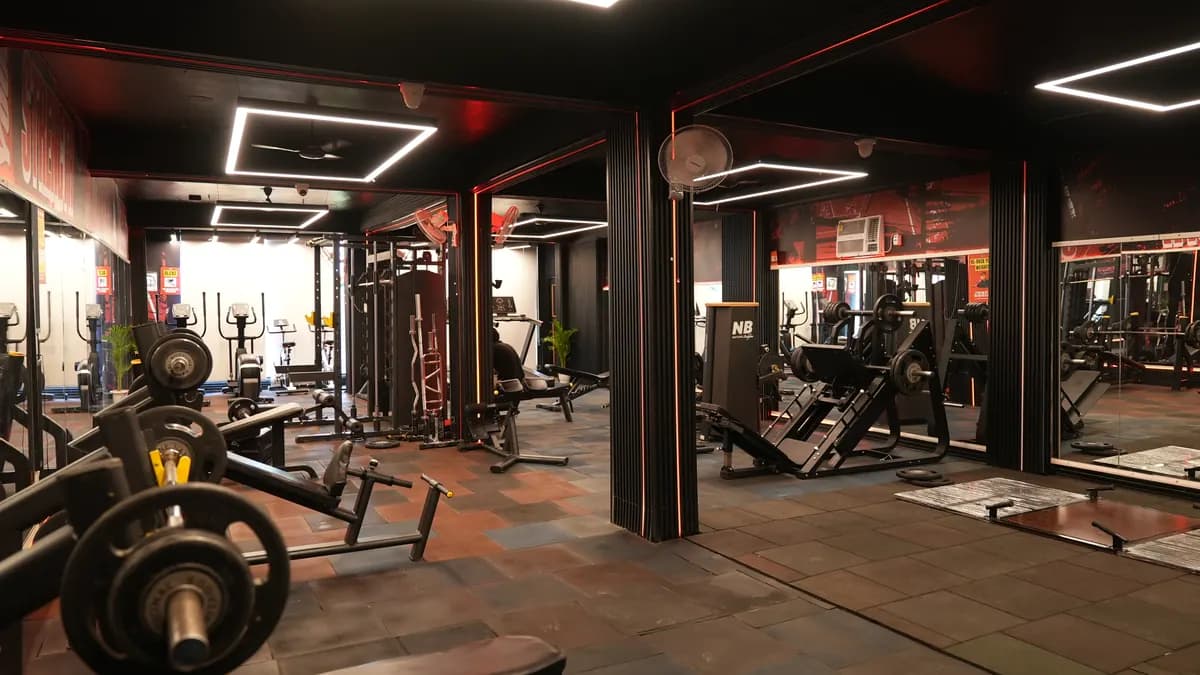
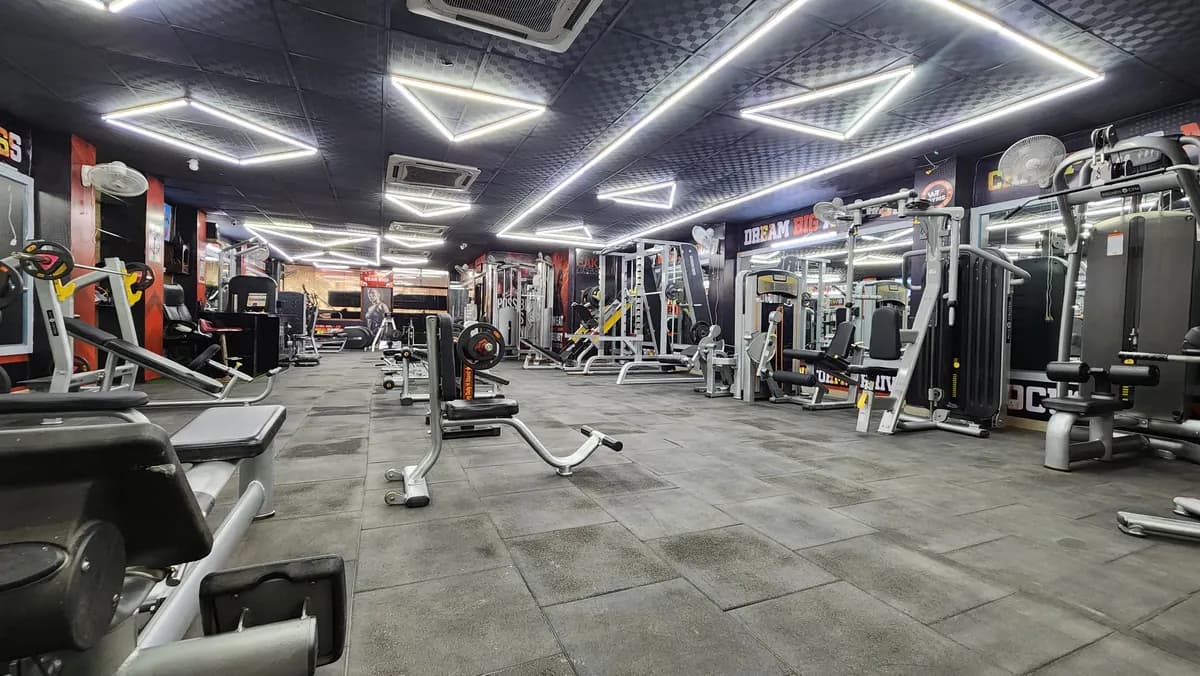
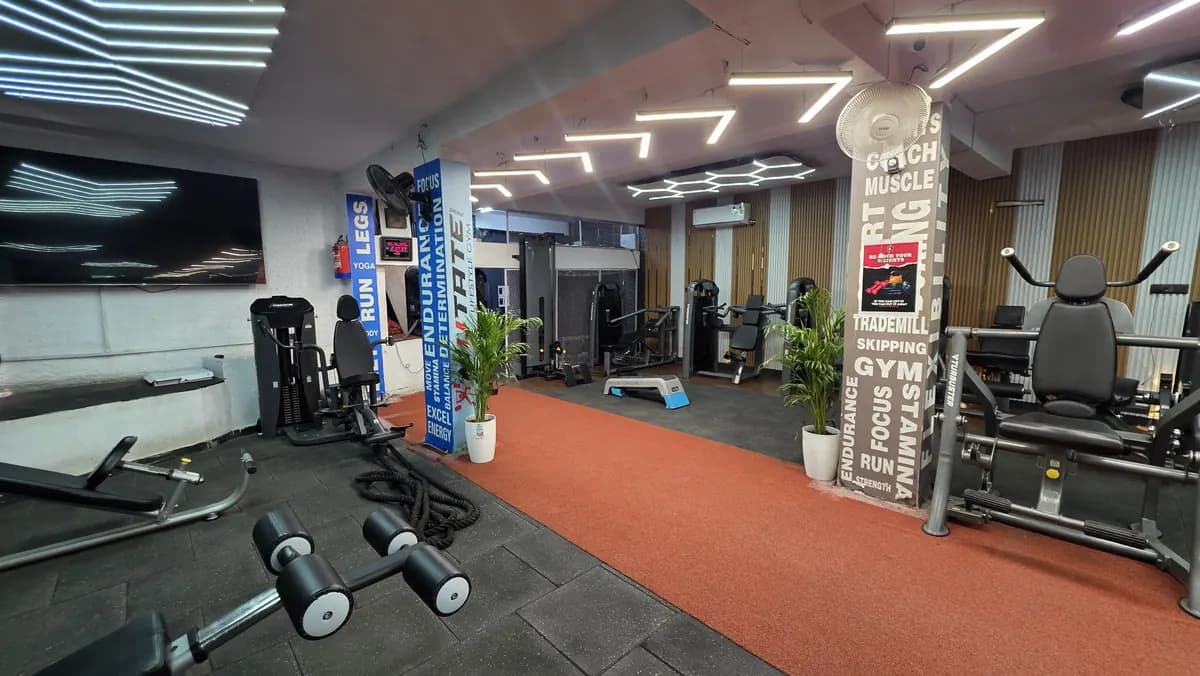
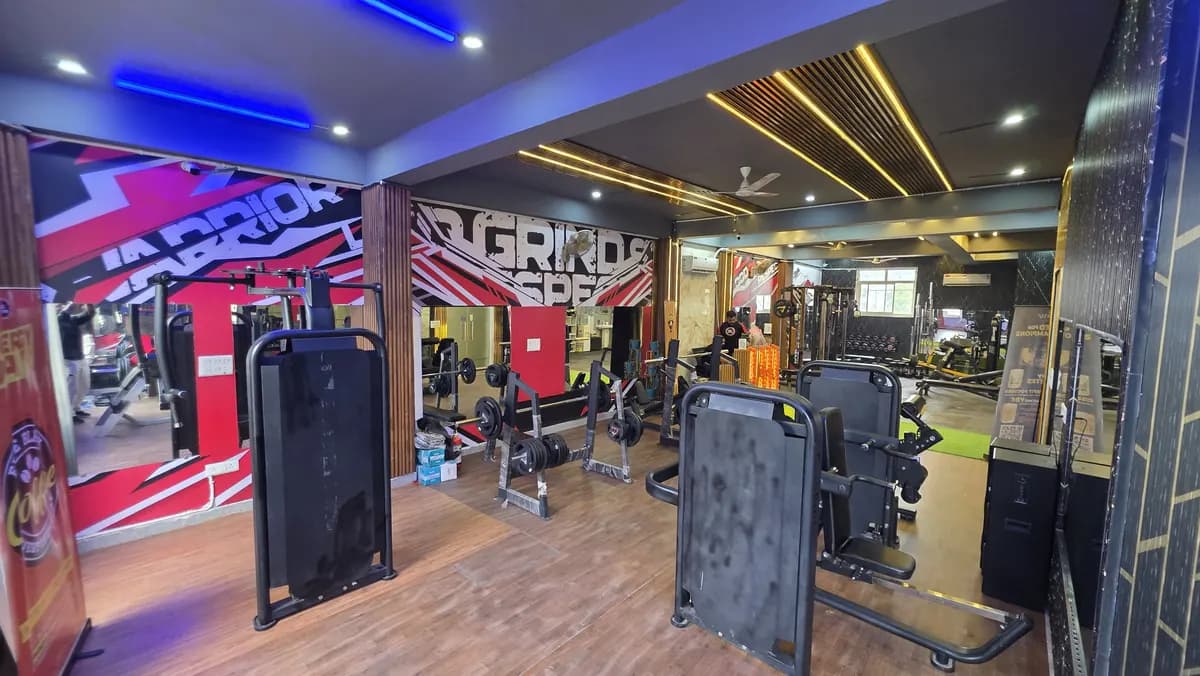
A tour is not a sightseeing round. It is a guided conversation. The staff member should connect each area of the gym to the lead’s goal. If the lead wants fat loss, show how cardio, strength area, trainer guidance, and attendance tracking support that goal. If the lead wants strength, show the lifting area, form support, and progression approach.
Start the tour at the front desk, not in the middle of the floor. Welcome the lead by name. Repeat the goal you heard earlier. Script: [Name], you mentioned [Goal]. I will show you the areas that matter for that and then we will sit for plan options.
Keep the tour short and focused. Do not describe every machine. Show the entry, floor layout, training support, washroom area, and where the member will begin. If something is crowded, do not hide it. Explain how slots work in your gym and how the member can train comfortably.
During the tour, ask small confirmation questions. Is this timing comfortable for you? Have you used this area before? Would you prefer trainer support in the beginning? These answers help you close without guessing.
Do not let the lead leave immediately after the tour. Bring the person back to the desk or consultation space. A tour that ends at the exit is a lost close. The staff member should say: Let us sit for a minute and I will show you the plan that matches what you want.
If your staff struggles with consistency, put the tour steps into your gym SOPs checklist. The tour should not depend on who is at the desk that day.
- Welcome by name.
- Repeat the goal.
- Show only relevant areas.
- Ask comfort and timing questions.
- Bring the lead back to the desk.
- Present the plan after the tour, not while walking.
Present the plan without sounding desperate
The close should feel like a recommendation, not pressure. Use the information already collected: goal, slot, past experience, and support needed. Do not open every plan and ask the lead to choose from a confusing menu.
Plan presentation script: [Name], based on your goal of [Goal] and your preferred slot of [Preferred Slot], I suggest [Plan]. It gives you [Inclusion] and helps you start without confusion. The amount is [Amount]. You can start from [Date]. Shall I register you now?
If the lead is unsure, ask what is stopping the decision. Do not guess. Script: I understand. What would you like clarity on before joining: plan, timing, trainer support, or payment? Once the exact doubt is clear, answer only that doubt. Do not restart the entire pitch.
Avoid discount panic. If every hesitation gets a discount, the staff learns to cut price instead of selling value. Keep offer rules written and approved by the owner. If you need ideas that do not damage your margin, keep a separate offer sheet based on your gym offers ideas, not random front-desk negotiation.
Closing lines should be direct. Soft closing line: Would you like to start with [Plan] from [Date]? Direct closing line: I can complete your registration now and block your preferred slot. Payment clarity line: You can pay by [Payment Method], and I will issue the receipt with your start date.
If the lead says they will think and come back, do not argue. Ask for a follow-up commitment. Script: Fair enough. What should I keep as your next step: a callback on [Date], a message with plan details, or a visit with a family member?
- Recommend one suitable plan first.
- Keep alternate plan ready if budget is the real issue.
- Ask the exact objection before answering.
- Use owner-approved offers only.
- End with registration, callback, or written follow-up.
Handle objections with calm questions
Objection handling is not about winning an argument. It is about finding the real block. Many staff members hear price and immediately reduce the amount. Train them to pause and ask a better question.
Price objection script: I understand price matters. Is the concern total amount, payment timing, or whether you will use the membership properly? If the concern is usage, bring the conversation back to schedule and support. If the concern is payment timing, explain approved options. If the concern is total amount, show the plan that fits without insulting the lead.
Distance objection script: That makes sense. When do you usually travel on this route? If you plan to train near work or home, we should choose the slot that feels easiest to repeat. Would morning, evening, or your work break be more practical?
Need to ask family script: Of course. What would they want to know: fee, safety, timing, or facilities? I can send you a clean summary so the discussion is easy. Should I also speak to them if needed?
Joining later script: No problem. What is the reason for starting later: schedule, travel, health, or payment? If the reason is schedule, book a start date. If the reason is uncertainty, invite the lead for a reassessment chat before closing the file.
Comparing another gym script: You should choose the place where you will actually train. Compare support, timing, distance, cleanliness, and whether the staff knows your goal. If you want, I can summarise what our plan includes and you can decide calmly.
Aapka tone calm rakho. Lead ko feel hona chahiye ki gym help kar raha hai, trap nahi kar raha.
- Do not interrupt the objection.
- Repeat the concern in simple words.
- Ask what part needs clarity.
- Answer that part only.
- Return to the next action.
Follow up until the lead is closed or clearly cold
Follow-up is where many gyms leak revenue. The lead visits, likes the floor, says they will think, and then the desk forgets. The owner later says enquiries are not converting, but the truth is simpler: nobody followed up with discipline.
Every lead should have a status. Use simple labels like new, visit booked, visited, payment pending, joined, not interested, unreachable, and follow-up later. The label matters because the staff should know what to say next.
After visit message: Hi [Name], thank you for visiting [Gym]. Based on your goal of [Goal], [Plan] is the plan we discussed. You can start from [Date]. Reply yes and I will help with registration.
Payment pending message: Hi [Name], your registration for [Plan] is ready. Once payment is complete, your start date will be [Date]. If you need any clarity before paying, reply here and I will help.
No response message: Hi [Name], checking once on your gym plan. Should I keep your enquiry open for [Date], or close it for now? If you still want to start, I can help you choose the right slot.
Owner callback note: [Name] visited on [Date]. Goal: [Goal]. Preferred slot: [Preferred Slot]. Objection: [Objection]. Suggested plan: [Plan]. Next action: [Next Action].
A follow-up tracker can be a sheet, a desk register, or part of your gym management system. The tool matters less than the habit: every open enquiry must have an owner, status, and next action.
- Check open leads before the shift starts.
- Move every lead to a status.
- Write the objection in the lead note.
- Send plan summary after the visit.
- Do not keep dead leads mixed with hot leads.
Train the desk and review the sales pipeline
Gym enquiry handling needs rehearsal. Do not wait for real leads to train the desk. Role-play a walk-in, a price caller, an online lead, and a family decision case. The owner or manager should listen for tone, questions, plan clarity, and next action.
Make a small scorecard for each staff member. Use plain checks: greeted by name, asked goal, captured source, booked visit, gave tour, presented plan, asked for registration, logged follow-up. This scorecard will show whether the problem is lead quality, staff confidence, plan confusion, or weak follow-up.
Review lost leads without blame. Pick a lead that did not join and read the note. Was there a goal? Was there a visit? Was there an objection? Was a follow-up sent? If the answer is blank, the loss is not a mystery. It is a process gap.
Keep the owner involved in the rule-making, not in every small call. The owner should approve offer limits, plan structure, payment rules, and escalation cases. The desk should handle normal enquiries inside that boundary. This keeps sales moving even when the owner is not sitting at reception.
If you already use software, check whether enquiry source, visit status, payment status, and follow-up notes are actually being filled. If you are comparing tools, look at the practical workflow, not only the dashboard. The gym management software guide can help you think through what the desk must record.
WTF Powered helps gym owners run operations, CRM, staff and marketing while the owner keeps the final decision in the gym. If you want the sales desk, follow-up process and enquiry leakage reviewed, book a free gym audit; the team calls the same day.
- Role-play common enquiry situations.
- Listen to how price is explained.
- Check if visits are being booked clearly.
- Review open enquiries at the start of the shift.
- Escalate only the cases that need owner approval.