How to use this checklist without creating paperwork
A gym management checklist should not become a file that sits near the printer. It should sit where the work happens: reception, trainer desk, cleaning zone and owner review. The goal is simple: every shift knows what to check, what to record, what to fix now, and what to escalate.
Do not write vague tasks like maintain cleanliness or manage members. Write visible actions. For example: wipe benches, check washroom supplies, call pending renewals, update trial status, record machine issue, collect balance payment, and brief the next shift.
Use role names, not personal names, inside the checklist. People change, roles remain. Reception owns enquiry logging and payment entries. Trainers own floor discipline and member form checks. Cleaning staff owns washrooms, mirrors, dustbins and common touch points. The owner or manager owns the end-of-day review.
If you already have SOPs, connect this daily sheet with them. A daily checklist tells staff what to do today; an SOP tells them how to do it every time. If your SOPs are missing or scattered, use the gym SOPs checklist to build the base before you tighten daily control.
Keep the checklist short enough for the team to actually use. If a task matters daily, keep it here. If it matters only during staff training, put it inside an SOP. Agar sheet lambi ho gayi, team tick karegi, kaam nahi karegi.
- Owner rule: no tick mark without a visible result.
- Reception rule: no enquiry, payment or complaint stays in memory; it goes into the register or system.
- Trainer rule: no member is ignored on the floor, especially a new or confused member.
- Cleaning rule: smell, dust and wet spots are treated as urgent issues, not end-of-day issues.
- Manager rule: any missed item is discussed before staff leaves, not the next morning.
Gym opening checklist before members walk in
Your gym opening checklist should make the gym ready before the first member enters. The opening person should not discover problems after members start training. If something is broken, dirty, missing or unsafe, it should be visible during opening and logged immediately.
Start with the entrance. The board, shutter, reception counter, waiting area and shoe area create the first impression. Keep the entry path clear. If the floor is wet, block that section and get it cleaned before members step in.
At reception, check the attendance device or entry register, payment register, enquiry tracker, cash drawer, receipt book if used, and pending handover notes from the previous shift. If you use software, the opening person should confirm that yesterday’s pending calls, renewals and balances are visible for action.
For software-led daily control, read the gym management system guide and decide which tasks belong in the system and which tasks need a physical inspection. Software can show attendance and follow-ups, but it cannot see a broken cable attachment or a wet washroom floor.
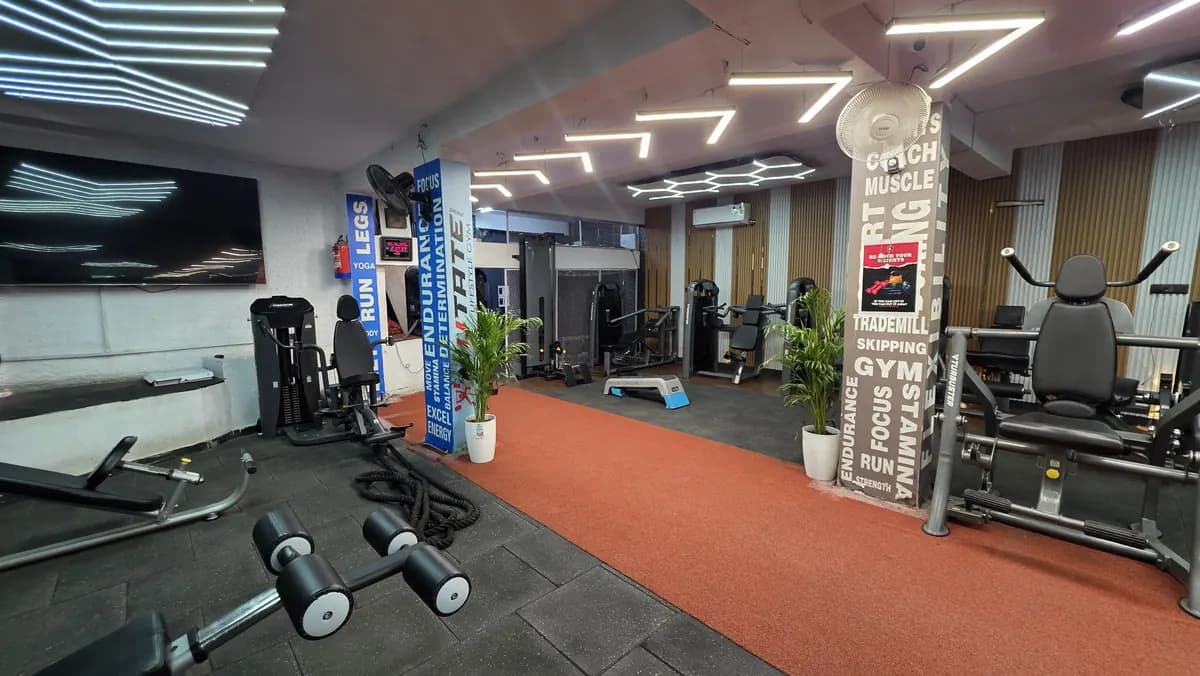
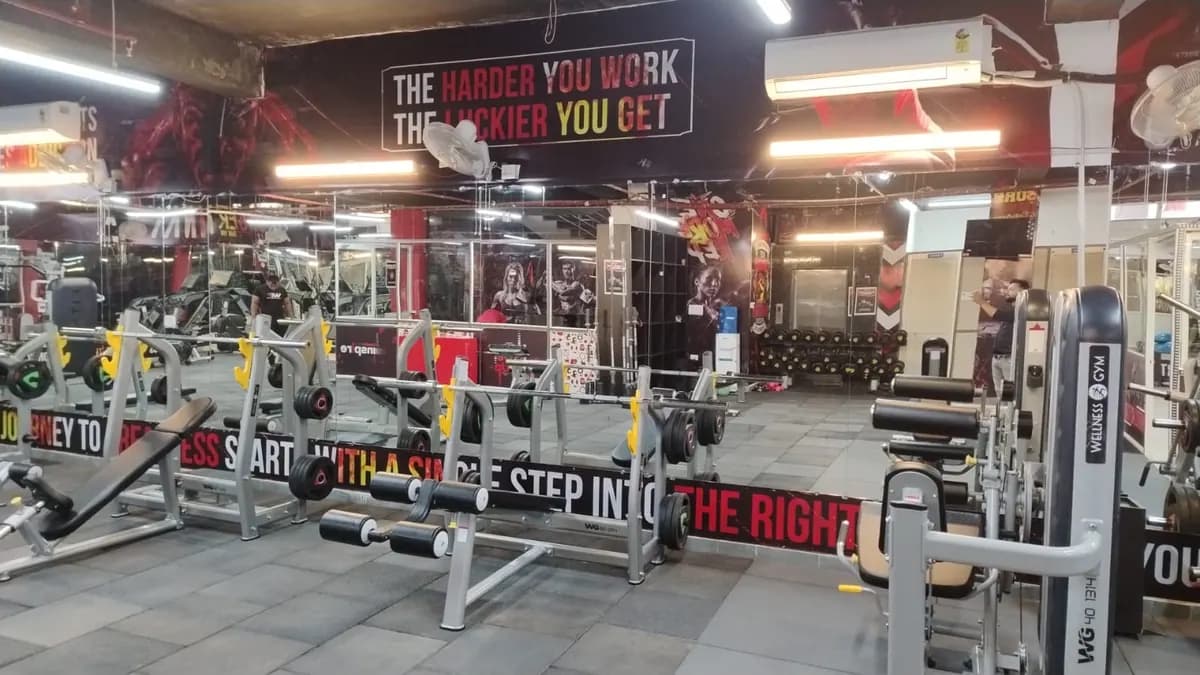
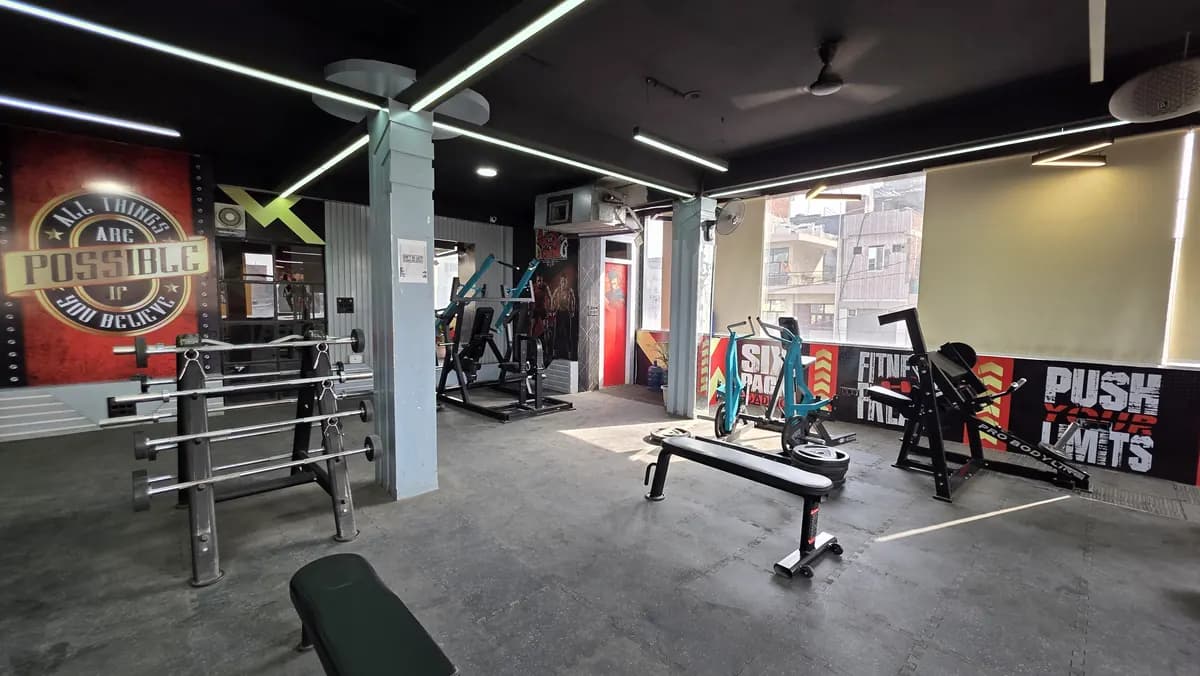
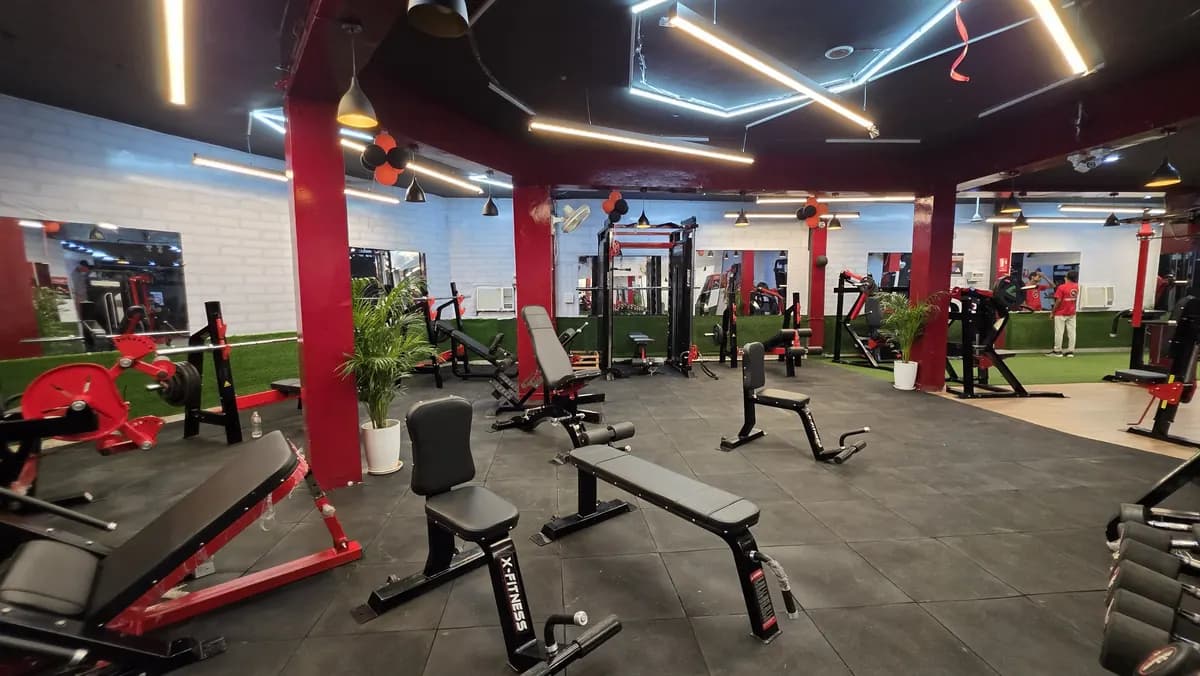
On the floor, trainers should walk through the cardio area, free weights, machines, stretching area and functional zone. They should check if weights are racked, pins are in place, benches are steady, mats are clean, and any machine with a fault is marked clearly.
Washrooms, changing areas and water points must be checked before opening. The opening person should sign only after physically seeing the area. Do not accept a verbal clean hai. Open the door, check the floor, smell, dustbin, mirror, tap, soap and towel or dryer arrangement.
Keep licence, registration and local permission documents in a known file or folder. Do not guess what applies to your gym; confirm with your CA and local authority. For a category-wise reminder list, use the gym licence and registration guide.
- Unlock and inspect entry, reception and member waiting area.
- Switch on lights, fans, music, screens and floor equipment as per your setup.
- Check reception tools: enquiry log, payment log, attendance device, pending calls and complaint book.
- Walk the entire workout floor before opening the gate for training.
- Mark any unsafe machine or attachment as not for use until checked.
- Check washrooms, changing area, water point, dustbins and mirrors.
- Review pending handover notes from the previous shift.
- Write unresolved issues in the owner or manager review sheet.
Reception and member check-in checklist
Reception is not only a smiling desk. It is the control room for money, membership status, walk-ins, renewals, complaints and attendance. If reception is loose, the owner loses visibility even when the gym looks busy.
Every member entering the gym should have a clean status: active, renewal due, payment pending, trial, freeze request, or issue pending. Do not let reception staff wave people in because they know the face. Familiar members also need clean records.
Every enquiry should be captured while the person is still at the desk or on the call. Name, phone, goal, preferred batch, plan discussed, follow-up date and staff owner must be recorded. If the enquiry is not recorded, it does not exist for the business.
Use a clear script at reception. Script: Welcome to [Gym]. May I know your goal and preferred workout time? I will show you the floor and explain the membership options. Before you leave, I will save your details so we can share the plan discussed.
For a walk-in that does not join, use this note. Script: Hi [Name], thank you for visiting [Gym]. As discussed, your preferred training time is [Time] and your goal is [Goal]. I will call you on [Date] to answer any pending question.
Renewals need daily visibility. The desk should not wait for a member to expire and disappear. Use a renewal list, call log and message log. Keep the tone helpful, not desperate. If renewal automation is part of your plan, read the membership renewal automation guide.
Payment entries must match what was collected. If cash, UPI, card or bank transfer is accepted, the desk must record mode, amount, plan, date and staff name. For deeper cash-flow discipline, use the gym payment collection guide.
- Check every entry against active membership status.
- Record every walk-in, call and message enquiry before it is forgotten.
- Tag pending payments and follow them up the same day.
- Update renewal conversations immediately after the call or desk discussion.
- Escalate angry members to the manager instead of arguing at reception.
- Never leave cash, receipts or payment screenshots unrecorded.
- End each shift with a desk handover note for the next person.
Gym floor and trainer checklist during operating hours
The floor checklist is where member experience is won or lost. Trainers should not stand in one corner and wait for questions. They must scan the floor, correct risky form, guide new members, keep equipment in place, and notice anyone who looks lost.
A new member should not be left to copy random exercises. Reception and trainer should share the member’s goal, plan type, health note if collected, and preferred training time. The trainer then gives a clear start point and records the interaction.
Floor discipline needs repeated small actions. Re-rack weights, stop unsafe lifting, keep bags away from workout zones, return handles to their place, and keep benches available for actual use. This is not decoration; it is operating control.
Trainer attendance and floor coverage should be visible. If a trainer is late, absent or busy with a personal training member, someone should know who is watching the general floor. If this is a recurring issue, review your hiring and duty structure with the gym trainer hiring guide.
Personal training discussions should be handled with care. Do not let trainers pressure every member. The daily task is to identify members who need help, record the need, and have a proper conversation at the right time. The owner should see which trainer is creating value, not just who talks the most.
Equipment issues must be logged at the moment they are seen. Write the machine name, problem, area, staff who found it and action taken. If it is unsafe, mark it clearly and remove access until checked. Do not depend on members to warn each other.
Cleanliness on the workout floor is not only the cleaning staff’s job. Trainers should remove bottles, tissues, plates and loose accessories while moving around the floor. Members follow what staff tolerate.
- Trainer walks the floor instead of staying fixed near the desk.
- New and confused members get attention without waiting to ask.
- Weights, plates, dumbbells, mats and handles return to assigned places.
- Unsafe form is corrected politely and immediately.
- Machine issues are logged and marked before another member uses them.
- Personal training leads are noted, not pushed randomly.
- Members breaking floor rules are corrected with the same standard for everyone.
Sales, follow-up and renewal checklist for the day
Sales work should not be left for free time. A gym has calls, walk-ins, trials, renewals, balance collections, referral conversations and inactive member follow-ups every day. If these are not assigned, the front desk will only react to whoever is standing in front of it.
Make a daily calling sheet with clear categories: new enquiries, missed calls, walk-ins not converted, trial follow-up, renewal due, payment pending, inactive members and referral asks. Each line needs a next action. No next action means the lead is parked, not handled.
Use a simple call script. Script: Hi [Name], this is [Staff] from [Gym]. You had asked about membership. I am calling to understand your goal and suggest the right start. Are you looking for weight loss, strength, general fitness or guided training?
Use a renewal script that respects the member. Script: Hi [Name], your membership at [Gym] is coming up for renewal. You have been regular on [Days/Batch]. Would you like to continue the same plan or review a plan that matches your current goal?
Use a payment follow-up script without drama. Script: Hi [Name], this is a reminder that your balance payment for [Plan] is pending. Please clear it by [Date] so your membership record stays updated. Reply here once done and I will confirm the entry.
Marketing should connect to reception. If you are running campaigns, the desk must know the offer, script, landing page, follow-up process and reporting format. Otherwise leads arrive, staff gets confused, and the owner sees spend without clarity. For campaign structure, use the gym ads guide.
At the end of the day, review not only how many leads came in, but what happened to each one. Joined, follow-up, not interested, no response, trial booked, trial done, payment pending. This review gives the owner a real pipeline, not a hopeful feeling.
- Prepare the day’s call list before reception gets busy.
- Assign each lead or renewal to a staff owner.
- Write the next action after every call.
- Keep offer language the same across ads, calls and reception.
- Do not mark a lead closed only because the person did not answer.
- Review pending balances before closing the payment register.
- Give the owner a clean daily summary, not scattered screenshots.
Cleaning, safety and complaint checklist
Cleaning needs rounds, not random effort. The gym can look fine from the entrance and still have a bad washroom, dusty corners, sweat on benches, full dustbins or a smell near the changing area. The checklist should force staff to physically inspect the places members actually use.
Separate visible cleaning from deep cleaning. Daily visible cleaning includes reception, mirrors, handles, benches, mats, dumbbells, washrooms, dustbins, water area and changing rooms. Deeper work can sit in a separate schedule. Do not mix them so badly that daily work gets skipped.
Complaints must be written. A member saying the AC is not working, the washroom smells, a trainer ignored them, or a machine feels unsafe is giving the owner operating data. If staff only says member was angry, the real issue gets lost.
Use this complaint capture script at reception. Script: I am sorry this happened. I will note the issue with your name, area and time, and share it with the manager. We will update you after checking it.
Use a calm staff rule: listen, write, repeat the issue, do not argue, do not blame another staff member in front of the member, and do not promise something the owner has not approved.
For hygiene specifics, keep a separate inspection sheet for washrooms, floors, mirrors, bins, benches and common touch points. If you want a focused template, use the gym hygiene checklist and adapt it to your layout.
Safety notes should go straight to the manager or owner. Wet floor, loose cable, broken pin, unstable bench, exposed wire, damaged mat, loose mirror or sharp edge should not wait for a weekly meeting. Mark it, block it if needed, and write what was done.
- Inspect washrooms and changing areas by opening the door and checking inside.
- Wipe benches, handles, mats and high-touch surfaces as per your cleaning rhythm.
- Empty dustbins before they overflow.
- Keep water area dry and usable.
- Record every complaint with member name, issue, area and staff owner.
- Escalate safety issues immediately to the manager or owner.
- Close the loop with the member after the issue is checked.
Closing checklist and owner review
Closing is not just switching off lights. It is the owner’s chance to confirm what happened in the gym: money collected, leads handled, renewals chased, complaints recorded, machines checked, cash secured, floor reset and staff handover completed.
The closing person should walk the gym from entrance to floor, floor to washrooms, washrooms to reception, and reception to storage. Anything left for morning becomes the opening person’s problem. A disciplined closing routine makes the next day smoother.
At reception, match payment entries with collected money and screenshots. Check pending balances, renewal notes, trial notes, lead follow-ups and member complaints. If anything is unclear, write it in the handover note instead of hoping the next person understands.
On the floor, rack weights, return accessories, remove waste, check machines, switch off what needs to be switched off, and mark unresolved issues. Trainers should not leave the floor messy because cleaning staff will come later. Each role closes its own area.
The owner review can be short. Ask: What money came in? What leads need follow-up? What renewals are at risk? What complaint needs action? What staff issue appeared? What equipment issue is pending? This review is the difference between running the gym and merely opening it.
If daily control still depends on the owner sitting at the desk, read the broader gym management guide and compare your current routine with a proper operating rhythm. If you want another operator to review your daily flow, book the free gym audit; the team calls the same day.
- Close payment entries before staff leaves.
- Record unresolved enquiries, trials, renewals and balances.
- Reset the workout floor for the next opening.
- Check washrooms, lights, music, storage and reception counter.
- Write a handover note that the next shift can act on.
- Escalate urgent safety, payment or staff issues to the owner.
- Keep the completed checklist where the owner can review it.