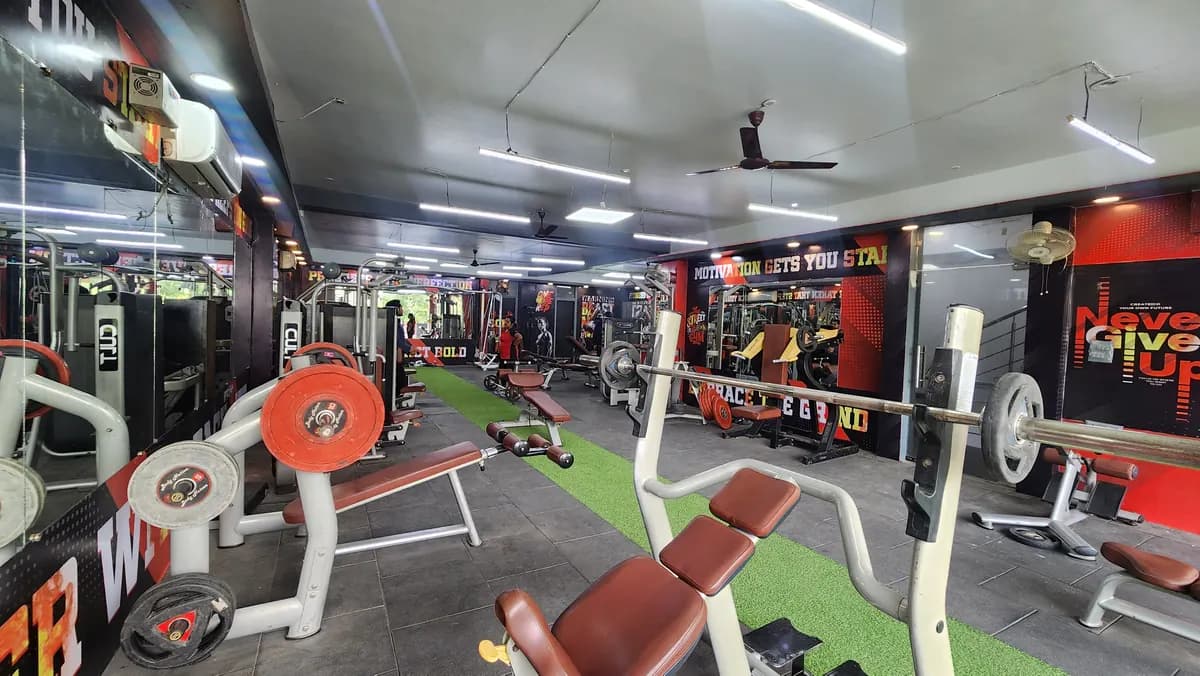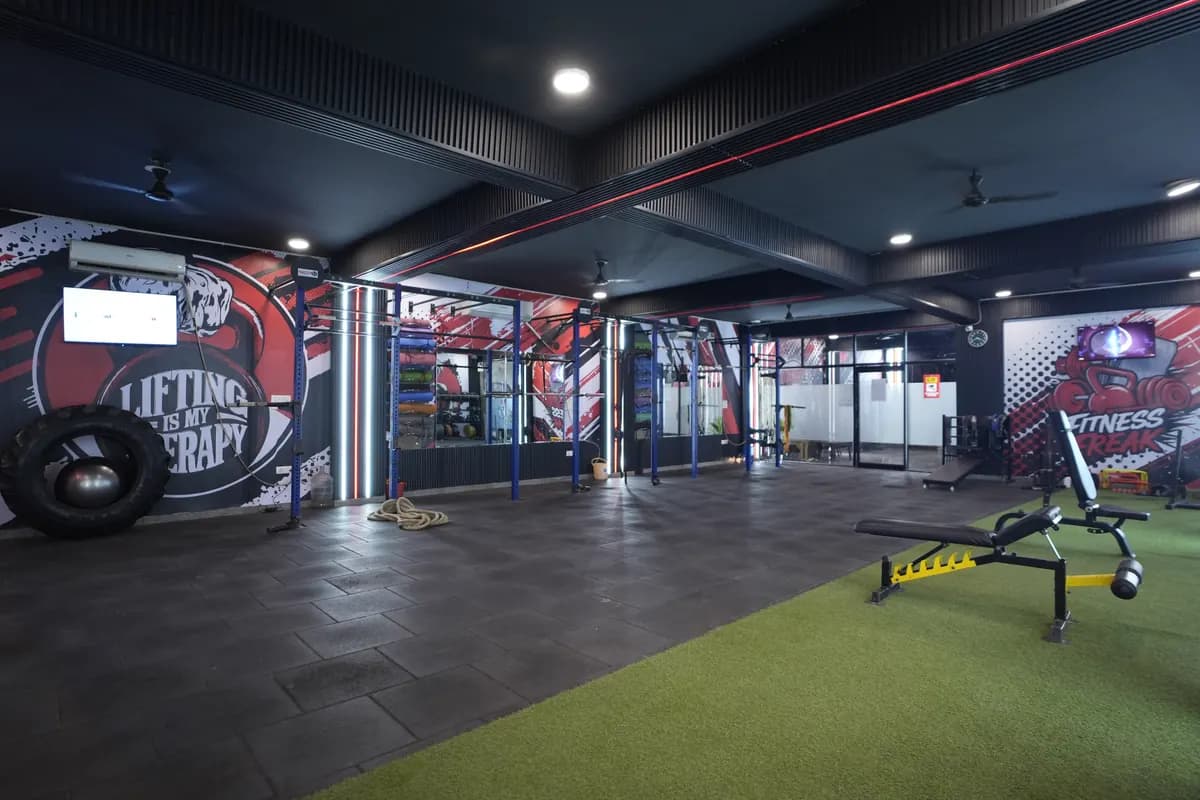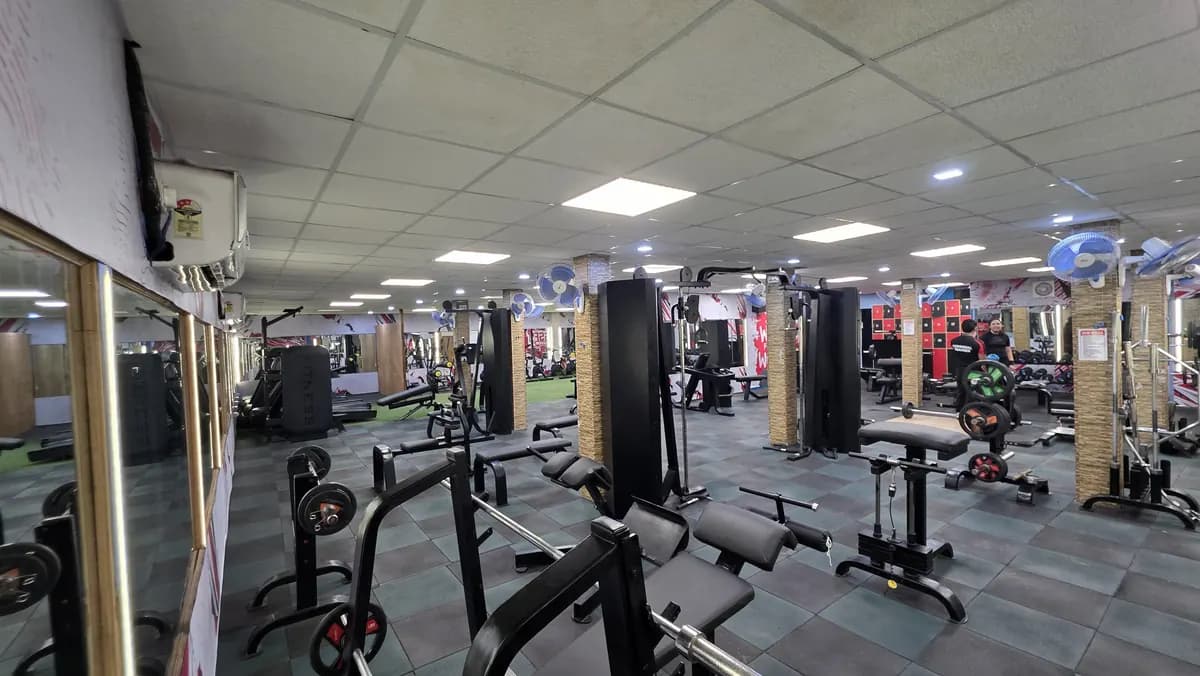
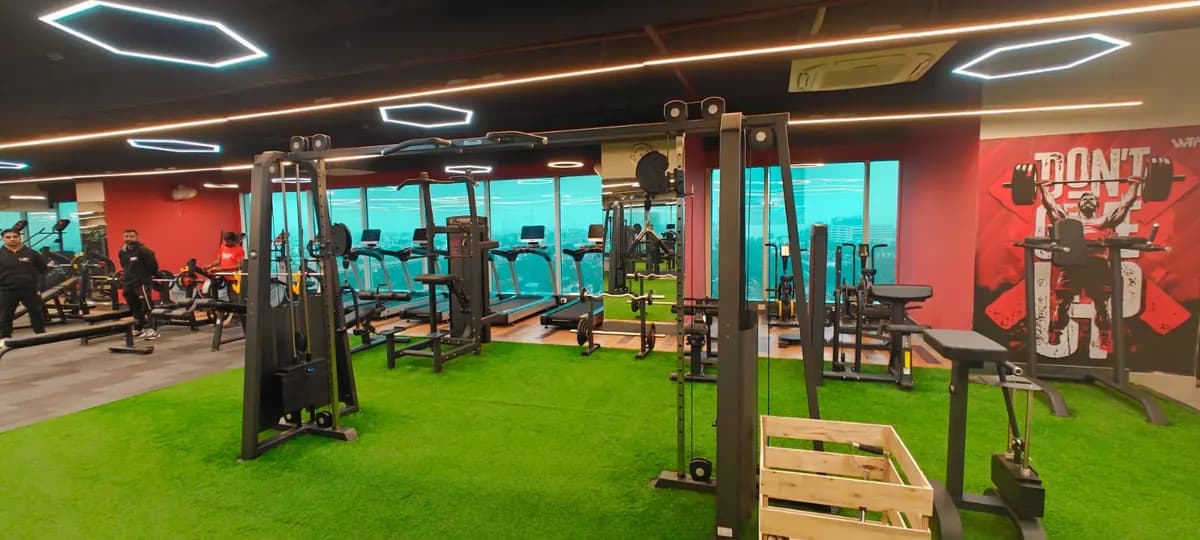
Start with the job of the poster
A gym poster is not wall decoration. It is a local sales tool. Its job is to make a person near your gym notice the message, feel the offer is relevant, and take a small action: walk in, call, scan, or message your front desk.
Before opening any gym poster design template free download or asking a designer for a gym banner, write the job of that poster in plain language. Is it for walk-ins from the street? Is it for a referral push inside the gym? Is it for an offer near the reception? Is it for a gym poster for wall space inside your own floor?
Do not start with colours. Start with the action. A poster that says everything usually makes the reader do nothing. Pick one action and make the design serve that action.
Use this simple brief before design work starts. Copy it into your designer message or your own notes.
Design brief template: Poster job: bring walk-ins from nearby people. Audience: people who pass the gym or live close by. Main message: [Main outcome or offer]. Proof to show: [Gym photo, trainer photo, member area, equipment area]. Action: [Walk in / Call / WhatsApp / Scan]. Tracking source: [Poster code]. Placement: [Gate / reception / lift lobby / nearby partner location].
If you are running paid campaigns along with posters, align the offline message with your online ad message. The guide on gym ads for owners can help you keep the campaign copy and measurement connected instead of treating every channel separately.
- Do not ask the poster to sell every plan.
- Do not put every facility on the same creative.
- Do not hide the call action at the bottom.
- Do not approve a design until the front desk can explain the offer in simple words.
- Do not print before you know where the poster will sit.
What to put on a gym poster
Your poster needs a clear headline, a reason to believe, and an action. That is enough. A person passing by does not read like a website visitor. They scan. If they cannot understand the poster quickly, the design has failed even if it looks premium.
Write the headline like a front desk pitch, not like a motivational quote. Fitness quotes look good on a wall, but they rarely tell a new lead why they should enter your gym today. Use practical language that matches the intent: weight training, personal training, group workouts, trial visit, transformation support, or a local joining offer.
A strong gym advertisement poster should answer a basic question: Why this gym, why now, and how do I contact you? Do not make the reader search for the gym name, location, or action. Keep the phone or WhatsApp action visible. If you use a scan code, also keep a manual contact option because not everyone will scan.
Add images only if they help the sale. A real gym floor photo can show space and energy. A trainer photo can support coaching. A crowded collage can confuse. If your actual gym photo is weak, fix the photo setup before blaming the designer.
Use this copy block when you want a walk-in poster.
- Headline: Start training at [Gym] near you
- Subline: Strength, cardio and guided workouts under one roof
- Offer line: Ask at reception for the current joining offer
- Action: Walk in today or WhatsApp [Phone]
- Location line: [Landmark] | [Area]
- Tracking line for staff: Source code [Code]
Gym poster design rules your designer should follow
A good gym poster design is easy to read before it is beautiful. Give your designer operating rules. Otherwise the creative may look stylish on a laptop and fail on a road, lift lobby, or reception wall.
Keep the headline large and direct. Keep the background clean. Put the offer and action where the eye naturally lands. Do not use low-contrast colours just because they match a mood board. If the poster is not readable from the spot where people will actually see it, reject the design.
Avoid using too many font styles. A gym banner with heavy fonts, shadows, effects, and a crowded image can look busy. Your poster should feel confident, not noisy. The owner test is simple: show it to your receptionist without explaining it. If they cannot tell you the message, the public will not either.
For a gym poster for wall placement inside the gym, the design can be more specific. Near the personal training desk, talk about coaching. Near the exit, talk about renewal, referral, or progress review. Near the reception, talk about joining, trial enquiry, and contact capture.
If your gym marketing calendar is messy, fix the campaign plan before creating random posters. Use gym marketing ideas by funnel stage to decide whether your poster is for awareness, enquiry, conversion, referral, or renewal.
- Use one main headline.
- Keep the gym name visible.
- Keep the action visible without zooming.
- Use real contact details, not placeholder text.
- Make the offer line easy for staff to repeat.
- Leave space around the main message.
- Check the printed proof before approving bulk printing.
Poster and banner ideas you can copy
Do not wait for a perfect creative concept. Use simple campaign themes and rotate them when the message becomes stale. The aim is not to impress other gym owners. The aim is to make a local person enquire.
Here are ready-to-use gym poster copy ideas. Replace the placeholders and keep the design clean. Each idea should have its own source code so you know which message created an enquiry.
Walk-in enquiry poster: Headline: Your gym is closer than you think. Subline: Visit [Gym] near [Landmark] and see the training floor. Action: Walk in or WhatsApp [Phone]. Staff note: Ask every visitor where they saw the poster.
Beginner comfort poster: Headline: New to the gym? Start with guidance. Subline: Our team will help you begin safely and confidently. Action: Visit [Gym] at [Area]. Staff note: Tag the lead as beginner poster.
Personal training poster: Headline: Need a trainer who keeps you accountable? Subline: Ask about guided training at [Gym]. Action: Talk to the desk today. Staff note: Send the lead to the trainer on duty.
Referral poster for members: Headline: Bring a friend to train with you. Subline: Ask the desk how the current referral offer works. Action: Share [Phone] with your friend. Staff note: Record member name and referred person name.
Offer poster: Headline: Joining offer live at [Gym]. Subline: Plans and inclusions explained at reception. Action: Walk in today. Staff note: Do not quote old offers; confirm the active offer sheet.
If you are unsure what kind of offer to show, read gym offer ideas that protect margin before printing discount-heavy posters. A poster can create enquiries, but a weak offer can train people to wait for cheaper pricing.
Where to place posters and banners
Placement decides whether the poster gets seen by the right person. Start with your own gym before spending outside. Your gate, reception, enquiry desk, changing area approach, staircase, lift lobby, and exit path can all carry different messages.
Match the message to the location. A gate banner should attract a new lead. A reception poster should help close the enquiry. A wall poster on the training floor should support upsell, referral, or member behaviour. A poster near the exit should remind members about renewal, feedback, or bringing a friend.
For outside placement, use locations where your actual target member already passes. Do not place posters only where printing vendors suggest. Stand at the location and check visibility. Ask yourself: will a person walking past see the headline, understand the action, and remember the gym name?
Inside the gym, avoid making walls so busy that every message becomes invisible. Keep campaign posters separate from permanent brand visuals. If every wall has a different sale message, the gym can feel cluttered. Your members came to train, not to read a notice board.
Create a placement sheet for the team. The sheet should say poster name, location, source code, start date, owner, and action to record. Keep that sheet at reception or in your management system. If your tracking process is weak, this gym management system guide will help you connect lead capture, follow-up, and reporting.
- Gate: simple walk-in message.
- Reception: offer and enquiry conversion message.
- Training floor: personal training, referral, and member action message.
- Exit path: renewal, feedback, and next visit message.
- Nearby partner point: local awareness message with clear contact action.
How to track whether a poster works
A poster without tracking becomes a decoration expense. You do not need complicated reporting to start. You need discipline at the front desk. Every enquiry must be asked the source question and every poster must carry a source code that staff can select or write down.
Use source names that are simple. Do not write long campaign names that staff will shorten in different ways. Use labels like gate poster, reception offer poster, lift lobby banner, referral wall poster, or nearby store poster. The exact naming style matters less than consistency.
The front desk script should be fixed. Staff should not ask casually after the pitch is over. Ask early and record immediately. Agar source nahi likha, poster ka result guesswork ban jayega.
Front desk source script: Welcome to [Gym]. Before I show you the plans, may I know where you saw us? Gate poster, online ad, friend referral, or somewhere else? I am marking it so we can send you the right details.
Follow-up script for poster leads: Hi [Name], this is [Staff] from [Gym]. You had enquired after seeing our poster near [Location]. Would you like to visit the gym today? I can keep the plan details ready for you.
Review the poster report weekly. The fact pack for WTF Powered marketing also uses weekly cost-per-lead review as a discipline, and the same rhythm works for offline poster checks. Look at enquiries, walk-ins, joined members, and staff remarks. If you track revenue from poster leads, use the gym profit and ROI calculator to understand whether the campaign is worth repeating.
- Every poster gets a source code.
- Every enquiry gets a source entry.
- Every source entry gets a follow-up owner.
- Every follow-up gets a status.
- Every review ends with keep, change, move, or stop.
Monday action plan for your next poster
On Monday, do not call the printer first. Walk through your gym like a new visitor. Stand outside the gate. Enter the reception. Look at the enquiry desk. Walk to the training floor. Exit the gym. Write where a new person, active member, and exiting member should see a message.
Next, choose one campaign message. If your goal is fresh walk-ins, do not mix referral, renewal, and personal training in the same poster. If your goal is referral, do not write a generic joining message. One poster, one job.
Then write the copy before design. Use this approval checklist: Can the headline be understood without explanation? Is the action clear? Is the gym name visible? Is the contact method correct? Does the staff know the offer? Is the source code printed? Is the placement decided? Is the follow-up script ready?
After printing, brief the team before the poster goes live. Show them the creative, explain the source code, and rehearse the enquiry script. Put the poster into your daily opening check so torn, faded, outdated, or hidden posters are removed. If you need a broader owner checklist, use the gym SOPs checklist to connect marketing assets with front desk discipline.
If you want help checking whether your posters, follow-up, staff scripts, and lead tracking are leaking enquiries, book the free gym audit and the team calls the same day.