Set the review before the week gets noisy
A gym owner routine is not a long meeting. It is a fixed weekly check where you stop reacting and decide what the gym needs next. Keep it away from peak gym floor noise. Sit with your front desk log, payment records, lead sheet, renewal list, staff roster and complaint notes.
Do not run this review from memory. Memory always favours the loudest problem. A member complaint, a trainer argument or a slow walk-in day can make the gym look worse than it is. Records show where the leak is. Your job is to read the leak and choose the repair.
Use the same format every week. Same place, same file, same order. If the format keeps changing, your team will prepare excuses instead of data. If you need a broader operating structure, use this gym management guide as a base and then keep your own review page simple.
The output of the review should be one owner decision, not a pile of wishes. Example: push renewals this week. Example: repair the cardio area before new ads go live. Example: stop discounting walk-ins without owner approval. Ek decision, clear action.
- Keep the review page open before the meeting starts.
- Ask for records, not opinions.
- Write open items in plain language.
- Assign each item to a person by role, not by mood.
- End with one decision that changes the week.
Start with the numbers that decide the week
The first part of your gym owner checklist is numbers. Not fancy dashboards. Just the numbers that tell you whether the gym is moving, stuck or leaking. The weekly review should begin here because cash, renewals and lead quality decide how much pressure the floor and staff will feel.
Separate sales numbers from service numbers. Sales tells you what is entering the gym. Service tells you what is staying. If enquiries are healthy but renewals are weak, your sales pitch is not the main problem. If renewals are fine but enquiries are low, the gym may need better lead activity.
Keep a single sheet for the weekly numbers. Put the current week next to the last review. Do not decorate the sheet. If a number is blank, write blank. A blank report is also a signal. It tells you that nobody owns that part of the gym.
If profit is unclear, the owner review becomes guesswork. Use your own numbers and compare collections, expenses and dues before taking a pricing or staffing call. For deeper thinking, read the gym business profit guide and then bring the same discipline into your weekly sheet.
- Enquiries received: split by source, such as walk-in, call, referral and online.
- Trial session bookings: check who booked, who came and who was not followed up.
- Admissions closed: mark plan type and payment status.
- Renewals due: separate warm members from members who have gone silent.
- Members not visiting: ask whether the issue is service, timing, injury, travel or no follow-up.
- Cash collected: match payment record with bank entry, cash drawer and receipt note.
- Dues pending: list only names where the next action is clear.
- Refund or freeze requests: check the reason before you approve.
Walk the floor like a paying member
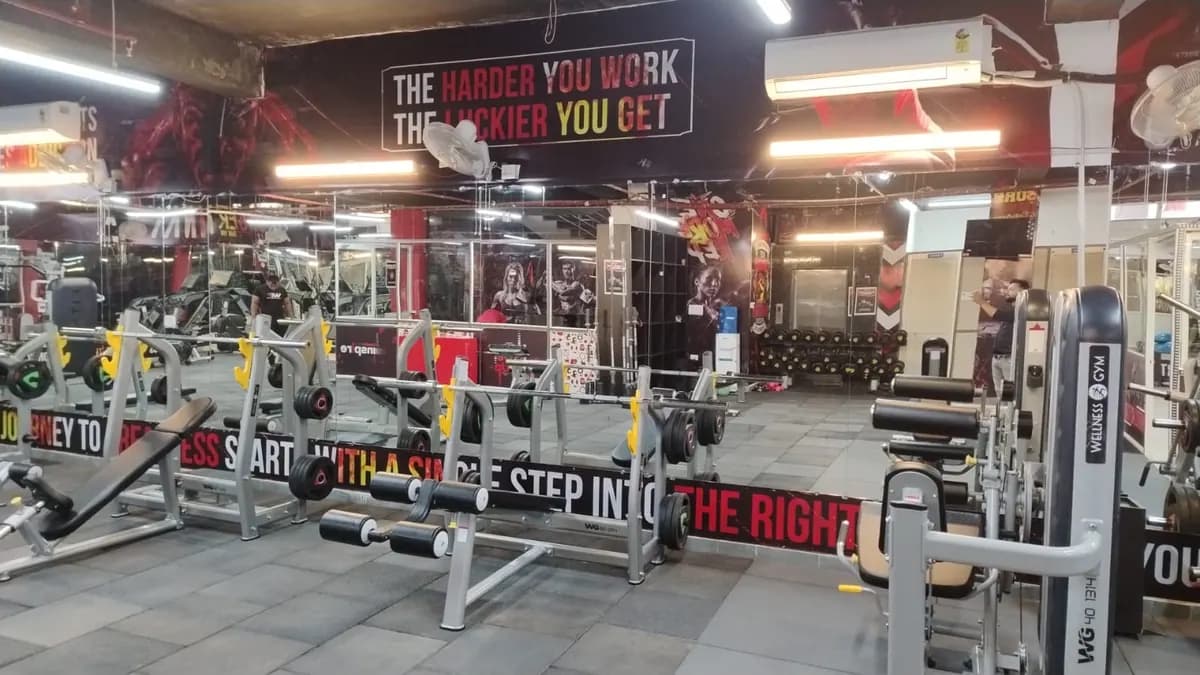
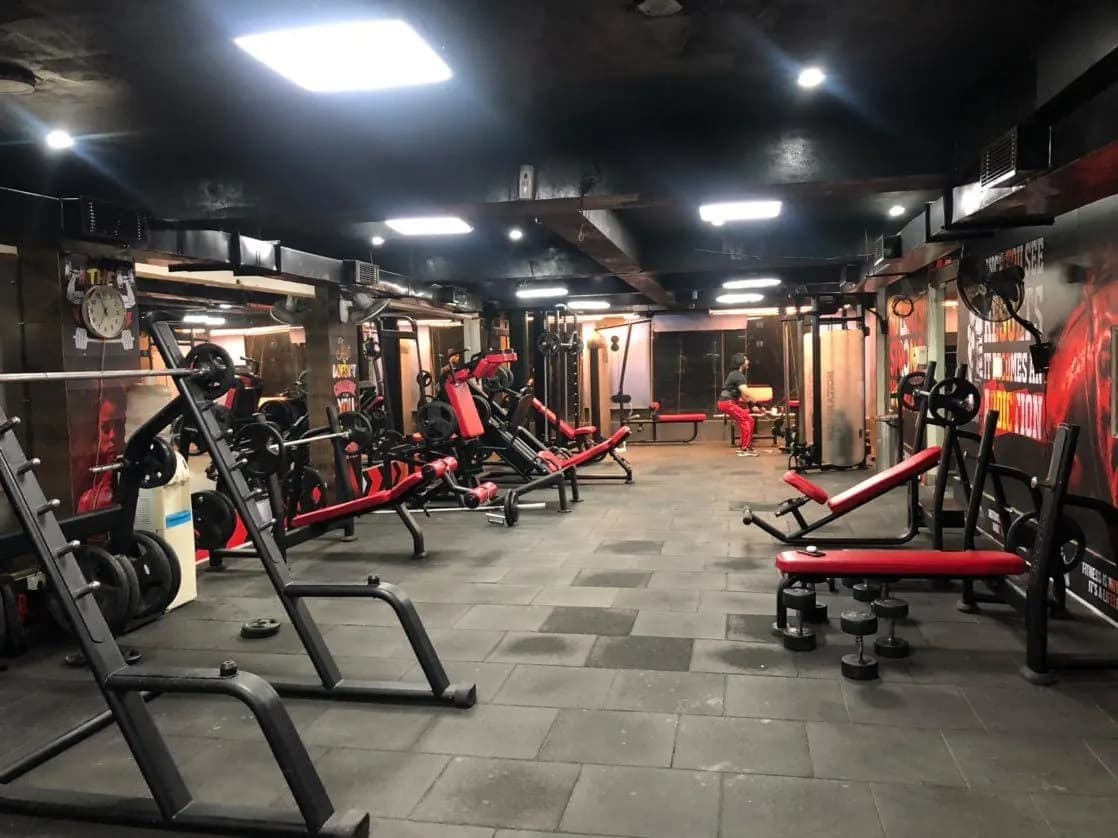
After numbers, leave the chair and walk the gym. Do not walk like an owner searching for faults only. Walk like a member who has paid and is deciding whether this place deserves renewal. This is where you see the gap between your promise and the member experience.
Start from the entrance. Look at signage, smell, lighting, reception behaviour and the first thing a new person sees. Then move to the strength area, cardio area, washroom, changing area and any unused corner. If a corner looks dead, members notice it before your team admits it.
Your floor walk should create work orders, not general anger. Do not say the gym is dirty. Write the exact zone. Do not say trainers are careless. Write the exact behaviour. If the same issue appears again, it is not a person problem anymore; it is an SOP problem.
Use a printed floor walk checklist and compare it with your gym SOPs checklist. For machines, benches, cables and loose parts, maintain a separate issue log. If you want a deeper maintenance structure, use this equipment maintenance guide and adapt it to your floor.
- Entrance: is the first look clean, open and staffed?
- Reception: is the person greeting, recording and following the script?
- Music and temperature: is the gym comfortable without staff arguing about it?
- Cardio area: are machines working, clean and placed safely?
- Strength area: are plates racked and benches returned?
- Trainer movement: are trainers on the floor or parked near the desk?
- Washroom and changing area: is cleaning visible and recorded?
- Member flow: where are people waiting, confused or avoiding a zone?
Review staff without making it personal
Staff review is not the same as shouting at staff. A gym owner routine should make the team clearer, not more scared. Trainers, sales staff, housekeeping and reception all need role-based expectations. When the role is unclear, every issue becomes personal.
Review staff on observable work. Attendance, member follow-up, floor presence, lead handling, trial session experience, cleanliness checks and payment reminders can be seen in records or on the floor. Avoid vague comments like attitude problem unless you can write the exact behaviour.
If a trainer is weak at service but strong on the floor, coach the service gap. If a front desk person records payments well but misses follow-up, fix the follow-up script. If the role itself is wrong, hiring may be the answer. Use the trainer hiring guide when you need to reset role clarity.
Keep a small script ready for review conversations. This stops the owner from speaking in anger and stops the staff member from pretending the issue is unclear. You can also build a training habit from this gym staff training guide.
- Script for a trainer: [Name], this week I noticed [specific behaviour]. The expected behaviour is [standard]. From [Date], I want you to follow [action]. I will review it in the next weekly review.
- Script for front desk: [Name], the issue is not effort. The issue is missing follow-up record for [member or lead group]. From [Date], every call must have status, next action and owner.
- Script for housekeeping: [Name], the zone [area] must be checked and signed as per the cleaning sheet. If material is missing, inform reception immediately instead of waiting.
- Script for sales: [Name], no lead should end with interested only. Write joined, not interested, follow-up date, pricing discussed or owner approval needed.
Read member risk before renewal date
Renewal does not start on the day the plan expires. By then, the member has already formed an opinion. In the weekly review, pull out members who are visiting less, complaining more, training without progress, or avoiding staff. These are risk signals.
Make a member risk list and keep it action-based. Do not write unhappy. Write what happened. No workout plan update. Missed check-in. Complaint about crowding. Asked for pause. Did not receive call after trial session. The more specific the note, the easier it is to save the member.
Your team should not send the same renewal message to every member. A regular member needs appreciation. A missing member needs concern. A price-sensitive member needs value reminder. A complaint member needs closure before payment talk. For a deeper renewal system, use this renewal guide.
Put member calls into the weekly review, not only into the front desk diary. If the owner never checks member risk, the team will focus only on new admissions. New admission feels exciting, but retention keeps the gym calmer.
- Message for an active member: Hi [Name], your renewal is coming on [Date]. You have been consistent, and we would like to continue your plan without a gap. Please reply with a good time to discuss.
- Message for a missing member: Hi [Name], we noticed you have not been coming regularly. Is it timing, travel, health or something at the gym? Tell us honestly so we can help before your plan reaches renewal.
- Message after a complaint: Hi [Name], we have noted your concern about [issue]. [Team Member] will update you after checking it. We want this closed properly before we discuss renewal.
- Message after trial session: Hi [Name], thanks for visiting [Gym]. Based on your goal, [Team Member] suggests [plan type]. Can we speak today and close your start date?
Check cash, dues and offer discipline
Cash review is where many owners get uncomfortable, so they postpone it. Do not postpone it. A gym can look busy and still have weak collection discipline. Your weekly review must match admission notes, receipts, bank entries, cash in hand, pending dues and approved discounts.
Do not let staff create offer rules on the spot. If a discount, freeze, extension or instalment is allowed, write who approved it and why. If you cannot explain the rule in one sentence, the team will misuse it or avoid using it at all.
Keep a payment follow-up list with next action. Pending without action is useless. Pending with owner, amount, reason and next call is manageable. The payment collection guide can help you build this discipline without making the front desk sound rude.
Offers should protect margin and still help conversion. If every walk-in gets a different deal, you are not selling value; you are negotiating out of fear. Use fixed rules and train the desk on what can be offered without calling the owner. Read this gym offers guide before changing your discount policy.
- Check every admission where payment is not complete.
- Match cash record with receipt record before discussing sales success.
- Mark dues as member delay, staff miss, owner approval or payment issue.
- Write discount reason in the sheet, not only in chat.
- Remove any offer that the team cannot explain clearly.
- Do not launch ads if the front desk cannot collect and follow up properly.
End with the one decision for the week
The weekly review fails when it ends with many open directions and no owner decision. Your team should leave knowing the main focus. More renewals. Cleaner floor. Better enquiry follow-up. Staff correction. Payment collection. Pick one. The gym may have many issues, but the week needs one focus.
Write the decision at the top of the weekly sheet. Then write the actions below it. If the decision is renewal, the actions may include member risk calls, trainer check-ins, front desk follow-up and owner review of complaint cases. If the decision is floor quality, actions may include equipment fixes, cleaning sheets and trainer movement.
Do not confuse decision with task. Call pending members is a task. Make renewal the main focus is a decision. Repair treadmill is a task. Fix floor experience before new marketing is a decision. This difference matters because staff can finish tasks and still miss the owner’s real priority.
Use a simple review closeout. Decision, reason, owner, action, status. If the decision affects money, test it in your gym profit calculator before you lock it. If it affects staff, record the script. If it affects members, prepare the message before the week begins.
Book the free gym audit; the team calls the same day.
- Decision: what is the main focus this week?
- Reason: what record or floor issue made this important?
- Owner: who is responsible for moving it?
- Action: what will happen before the next review?
- Status: open, done, blocked or needs owner approval.