Start by making the bill visible, not emotional
To reduce your gym electricity bill, stop discussing it only when the bill arrives. Put it into your operating review like rent, salaries and marketing spend. If nobody owns the bill, every staff member assumes somebody else will switch things off.
Create a simple bill file. Keep the bill copy, meter photo, payment proof, equipment service notes and any complaint linked to cooling or lighting. This gives you context before you blame AC, machines or staff.
Do not start by shouting at the front desk. Start by mapping when power is being used. Opening time, class time, peak hour, trial session time and closing time all have different energy behaviour. Your job is to write the rule for each situation.
For wider cost control, use the same discipline you would use for rent, salary and marketing in the gym expense management guide. Electricity should sit inside that cost review, not outside it.
- Monday task: keep the latest bill at the front desk and ask the manager to mark any line item they do not understand.
- Take a meter photo at opening and closing. Keep it in a shared folder with [Date] in the file name.
- Write down which AC units, lights and cardio zones were active during quiet periods.
- Ask your electricity provider or electrician to explain the bill format. Do not assume tariff, load or penalty rules; confirm them.
- Put power review in the same meeting where you review enquiries, renewals, staff attendance and member complaints.
Write AC rules by zone, not by mood
AC is where owners usually feel the pain, but random switching creates a bad member experience. The answer is not to keep every unit running or to keep arguing with staff. The answer is zone control.
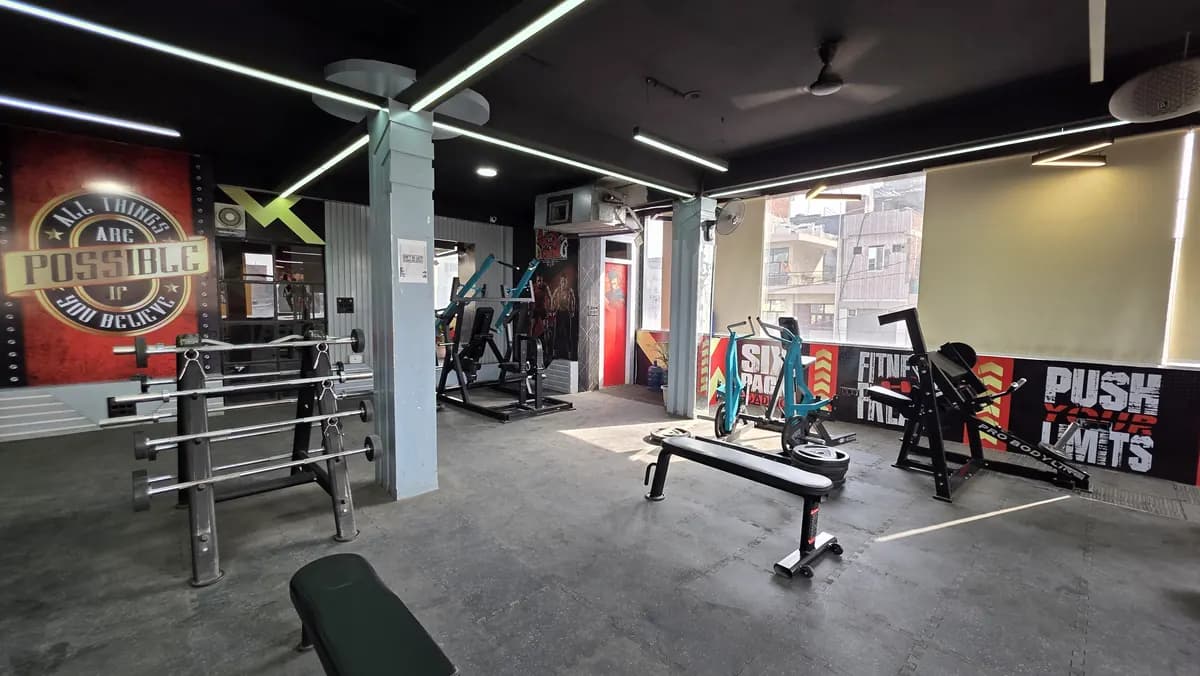
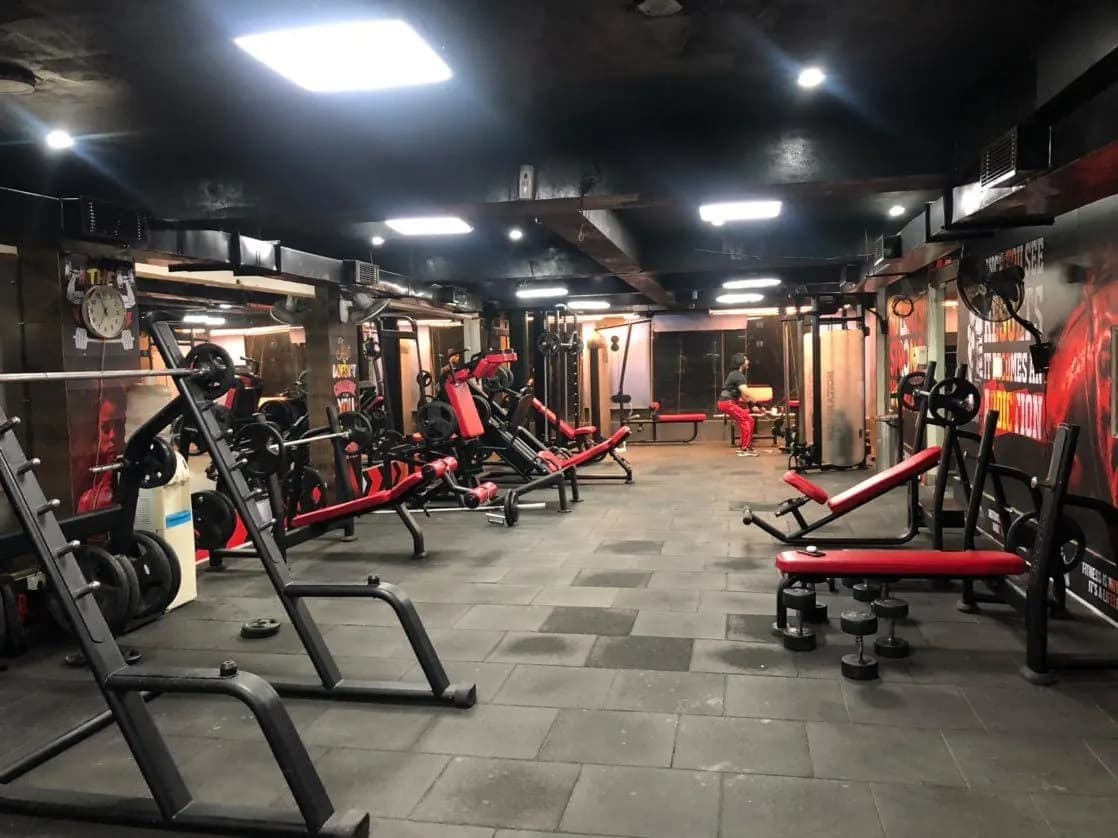
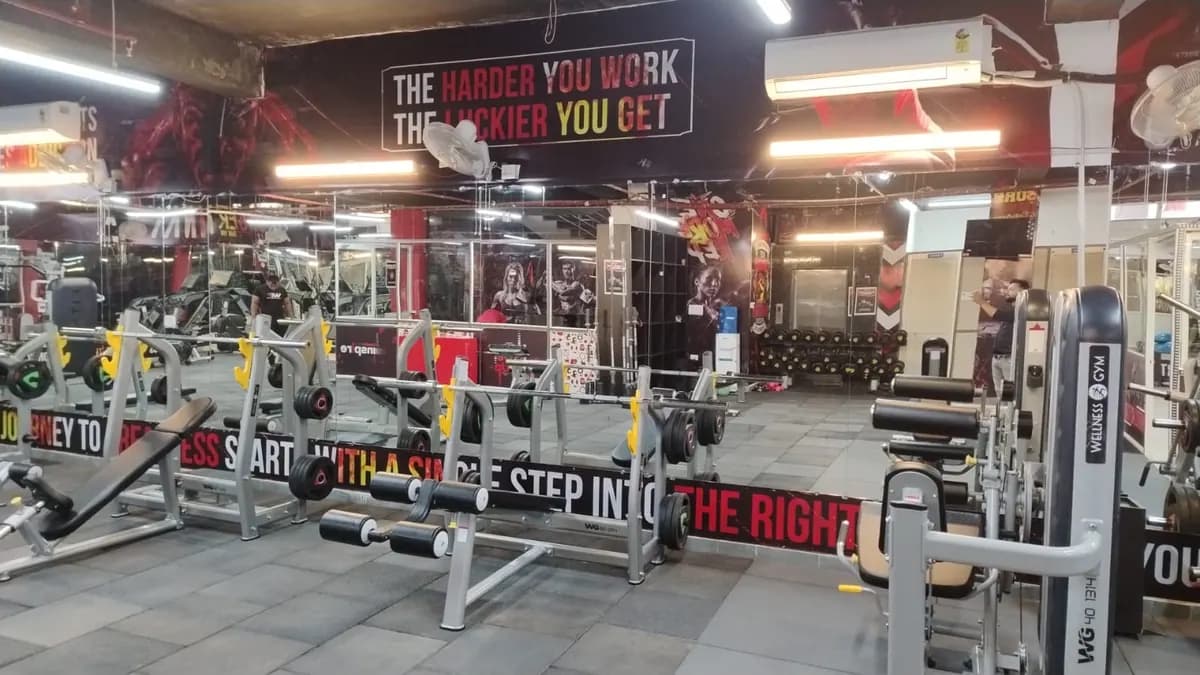
Divide your floor into simple operating zones. Reception, cardio, free weights, studio, changing area and office can each have a switch-on rule and a shutdown rule. The person on duty should not need to guess.
Do not let trainers control AC based only on personal comfort. A trainer standing still at the desk may feel different from a member training hard. The rule should be based on floor usage, member comfort and the owner-approved standard.
Add AC checks to your daily operations system. If you already use opening and closing checklists, connect power control with the gym SOPs checklist so it becomes routine instead of a lecture.
- Reception rule: switch on only when the front desk is staffed and member movement has started.
- Cardio rule: match cooling to actual usage, not to an empty zone.
- Studio rule: switch on before a scheduled class only when the class area is being prepared.
- Office rule: keep it separate from member areas so staff comfort does not drive the full floor load.
- Closing rule: the last staff member signs off that every allowed switch is off and every required safety light is on.
- Maintenance rule: do not skip AC servicing to save money if it creates bigger comfort complaints or machine-room heat issues. Get a qualified technician to advise.
Fix lighting without making the gym look shut
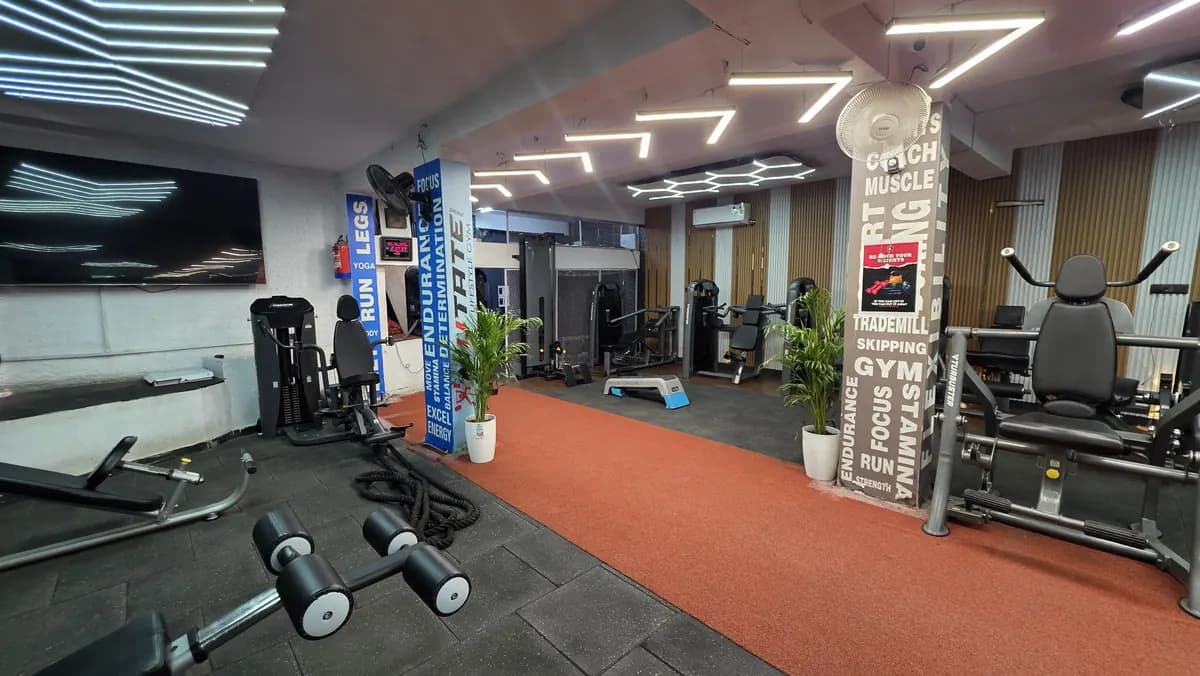
Lighting affects both cost and sales. A dark gym feels closed even when it is open. A fully lit empty corner is also waste. The owner’s job is to create a lighting map that keeps the gym looking alive while removing careless usage.
Walk the gym after closing and again before opening. Stand outside the entrance, at reception, near the sales desk and inside each training zone. Mark lights as sales-critical, safety-critical or optional. This label helps staff make the correct call without waiting for you.
Avoid a rule like switch off everything. That creates risk, confusion and a poor walk-in impression. Better rule: keep member journey areas clear and visible, then shut down unused zones as per the map.
If your lighting, cleaning and floor movement are already part of a daily checklist, connect the lighting map to your gym management routine. Power control works only when it is part of the full opening-to-closing flow.
- Entrance lights: keep the gym visibly open during operating time.
- Reception lights: keep the sales desk ready whenever enquiries can walk in.
- Floor lights: operate by zone, especially when a section is empty.
- Changing area lights: never compromise safety or privacy for savings.
- Signage lights: decide who switches them on and who checks them before leaving.
- Display lights and decorative lights: give them an owner-approved timing rule instead of leaving them on by habit.
Cardio machines need shutdown discipline
Cardio zones often stay powered because nobody wants to touch the machines. That fear is understandable, but it should not become an excuse. Ask the equipment vendor or service technician for the correct shutdown method and write it near the zone.
Do not let every staff member create their own method. A treadmill, bike, cross trainer or display console should follow the process recommended for that equipment. If the machine has a specific sequence, follow that sequence. If you are unsure, confirm before changing anything.
Make cardio shutdown part of equipment care, not just electricity saving. A trainer who closes the floor should check visible damage, unusual noise, loose plugs, console errors and cleanliness before power-down. This links energy saving with machine life and member safety.
For a deeper maintenance routine, connect this power checklist with the gym equipment maintenance guide. The same log can capture service calls, shutdown issues and member complaints.
- Write the approved shutdown method for each cardio type and keep it visible to staff.
- Create a closing sign-off: zone checked, machines cleaned, plugs safe, screens off as approved.
- Do not pull plugs randomly if the technician has advised a proper switch-off sequence.
- Do not let members operate main switches or power boards.
- If a machine behaves differently after shutdown, stop guessing and call the service person.
- Train the floor team to report power and equipment issues in the same group or system used for maintenance.
Use timers and responsibility, not only reminders
A reminder poster works for a few days. Ownership works for longer. Assign each power zone to a role, not to a person. If the receptionist changes, the reception duty still owns reception lighting. If the floor trainer changes, the floor duty still owns floor shutdown.
Timers can help, but do not use them blindly. Some equipment, signage, pumps, lights or AC points may need electrician review before automation. Get a qualified person to check what can safely run on a timer and what should remain manual.
The rule should be simple: if staff can forget it, put it in the checklist; if staff can misuse it, restrict access; if timing is predictable, explore timer control with a qualified person.
Use your management system or duty sheet to record who opened and who closed. If you track attendance, enquiries and renewals, you can also track power discipline. If you want software plus process thinking, see the gym management system guide.
- Assign opening duty: unlock, check meter, switch on approved zones, report faults.
- Assign floor duty: monitor empty zones, keep member comfort steady, report misuse.
- Assign closing duty: follow shutdown list, take meter photo, lock controls as approved.
- Assign owner review: check the log, not just the bill amount.
- Ask the electrician which switches can be labelled, locked, grouped or timed safely.
- Do not allow random jugaad wiring. Saving ka matlab risk lena nahi hai.
What not to cut when you reduce gym electricity cost
Cost cutting becomes dangerous when it damages member trust. Do not cut the things that make the gym safe, usable and saleable. Members may accept discipline; they will not accept a gym that feels careless.
Do not cut ventilation, basic visibility, washroom usability, cleaning support, emergency access or equipment maintenance. Also avoid creating heat in areas where staff or members must stay for long periods. If a change affects safety, comfort or compliance, get professional advice before doing it.
Do not switch off power in a way that affects billing systems, access control, security devices or data capture without understanding the impact. A cheap habit can create a bigger operational problem if it breaks attendance, payment follow-up or enquiry handling.
When you review electricity saving, also review revenue. If a saving hurts walk-ins, trial session conversion, renewals or personal training experience, it may not be a saving. Use your own numbers in the gym ROI calculator and compare cost cuts with revenue impact.
- Do not make the entrance look closed during operating time.
- Do not make the sales desk uncomfortable during enquiry handling.
- Do not make the workout floor feel abandoned during quiet periods.
- Do not delay equipment service only because the bill is high.
- Do not ask staff to handle electrical panels unless they are trained and authorised.
- Do not ignore member complaints about heat, darkness, smell or unsafe corners.
Put the electricity plan into your staff routine
A power plan fails when it stays in the owner’s head. Put it on paper, train the staff, and audit it without drama. The goal is not to make staff scared. The goal is to remove confusion.
Use this copy-paste SOP at the front desk: Opening: meter photo saved, reception lights on, approved AC zones on, floor walk done, fault message sent. During operations: empty zones checked, member comfort observed, no unauthorised switch use. Closing: cardio shutdown done as approved, optional lights off, safety lights on, AC zones off, meter photo saved.
Use this staff message: Team, from [Date], power control is part of daily duty. Please follow the zone-wise AC, lighting and cardio shutdown rules. Do not change any electrical setting on your own. If there is a member complaint or machine issue, report it immediately with a photo.
Use this owner review line in your meeting: Show me the bill file, meter photos, complaint notes, service issues and closing sign-off. If a rule is confusing, we will rewrite it. If a rule is ignored, we will train again and then hold the duty owner accountable.
If you want a fresh review of your gym’s cost leaks and operating habits, book the free gym audit; the team calls the same day.