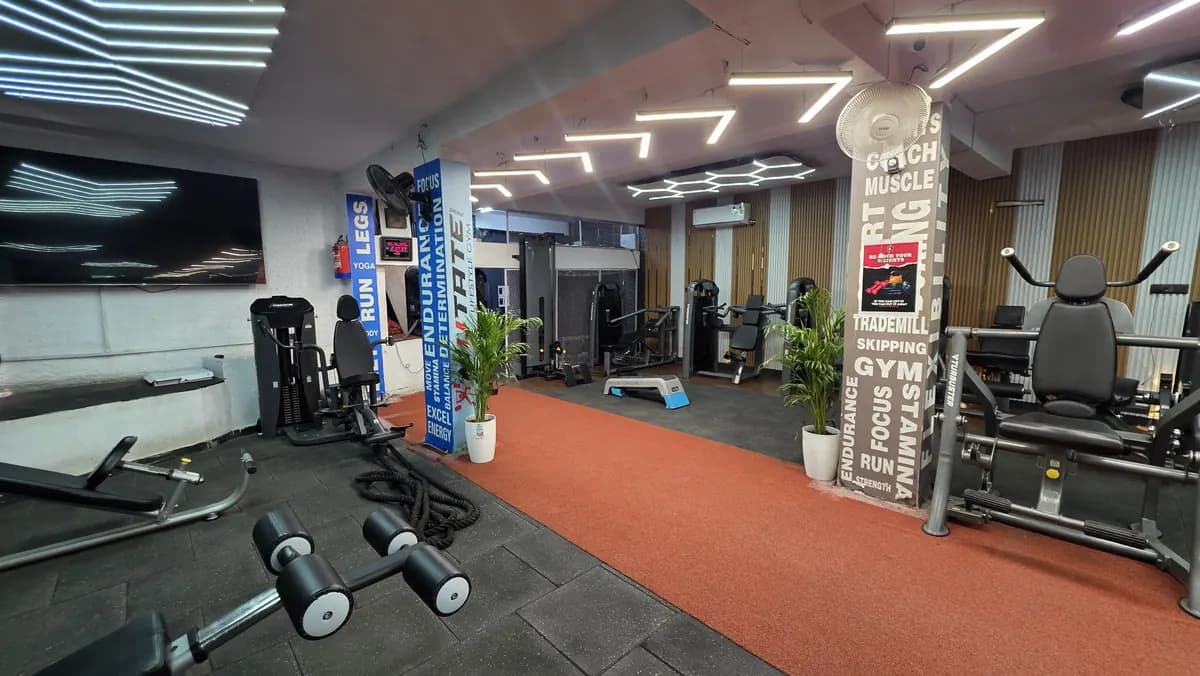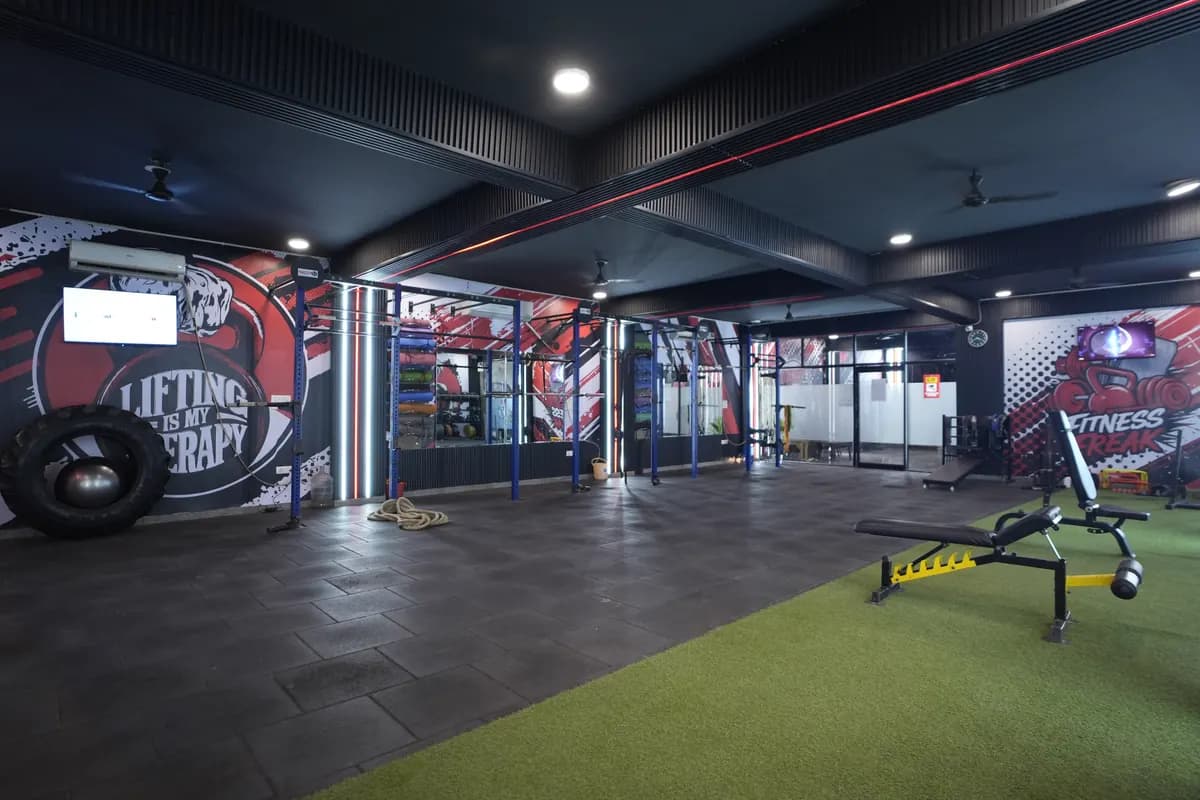
Start with the right question
Gym competition analysis is not about proving that another gym is weak. It is about knowing why a local prospect may choose that gym instead of yours, and what you will do about it. If you collect random gossip, you will make random changes. If you collect the same points for every nearby option, the decision becomes cleaner.
Write the question at the top of your sheet: Why should a serious local member join my gym instead of another gym near them? Keep the word serious in that question. You are not building your whole business for bargain hunters, casual window shoppers or people who only want the next discount.
Use only fair sources. Look at public pages, visible offers, walk-in experience, ad copy, review themes, facility cues and enquiry response. Do not ask staff to pretend to be someone else if you are not comfortable with it. Do not steal photos, copy lines or spread rumours. Competition ka kaam samajhna hai, tamasha nahi banana.
Before you change price or ads, connect this exercise to your operating system. If the gap is follow-up, fix enquiry handling. If the gap is floor experience, fix trainer coverage. If the gap is unclear positioning, fix your offer. For a wider owner checklist, keep gym management basics open while you review your findings.
- Owner question: Why should a serious local member join us?
- Data rule: collect the same points for every gym you compare.
- Ethics rule: use public, visible and fair information only.
- Action rule: every finding must lead to a change in your gym or a clear decision to ignore it.
What to collect before you compare
Your sheet should cover the full member journey, not just fees. A prospect notices a gym, checks the page, sends a message, visits the club, hears the pitch, compares the offer, asks a friend, reads reviews and then decides. If you only compare membership price, you miss the actual buying path.
Create a simple folder for screenshots, notes and photos that are already public or visible during a normal visit. Save ad messages, social page cues, review themes, membership plan names, trial session language, front desk response style and the feel of the floor. Do not turn this into a heavy report. Your goal is action.
For ads and lead flow, compare what the prospect sees and what happens after they enquire. Note the promise, call to action, speed of reply in your own gym, questions asked by the counsellor and whether follow-up is logged. If ads are part of the gap, use gym ads measurement to tighten your own tracking instead of reacting blindly.
For offers, write the offer exactly as a prospect would understand it. Do not only write the rate. Write what is included, what is excluded, whether personal training is pushed, whether group activity is visible and whether the offer protects your margin. If your offer feels messy, use gym offers ideas to rebuild it before discounting.
- Visibility: signage, local search presence, social page, ad angle.
- Enquiry: reply style, questions asked, follow-up habit, booking push.
- Visit: reception greeting, tour flow, cleanliness cue, crowding cue.
- Product: membership options, personal training pitch, add-on service, class visibility.
- Proof: review themes, member photos where public, transformation style, community cues.
- Operations: trainer attention, floor energy, equipment condition, issue handling.
Use this one-page comparison sheet
Copy this into a sheet. Keep it to one page so you actually use it. Add your gym in the first column, then add local options beside it. If the sheet becomes too large, you will debate formatting instead of deciding what to change.
Use simple scores only if your team understands the reason behind the score. A word note is usually better than a clever formula. Write what a prospect would feel. For example, not reception quality good, but reception asked goal and booked body assessment. The note tells you what behaviour to copy, beat or avoid.
Do not fill the sheet from memory. Memory is biased by anger, friendship and old market stories. Fill it from what you see now. If your manager says a competitor is weak, ask for the exact evidence. If your sales team says prospects are going there, ask which part of the offer is pulling them.
- Template row: Gym name | [Your Gym] | [Gym A] | [Gym B] | [Gym C]
- Template row: Main promise | [Write the headline offer or positioning] | [Note] | [Note] | [Note]
- Template row: Visible price structure | [Plan names and visible inclusions] | [Note] | [Note] | [Note]
- Template row: Enquiry response | [How fast and how clear your team replies] | [Note] | [Note] | [Note]
- Template row: Walk-in flow | [Greeting, tour, pitch, closing step] | [Note] | [Note] | [Note]
- Template row: Floor experience | [Trainer attention, crowd control, equipment care] | [Note] | [Note] | [Note]
- Template row: Review themes | [Common praise and complaint themes] | [Note] | [Note] | [Note]
- Template row: Social proof | [Member stories, videos, community posts] | [Note] | [Note] | [Note]
- Template row: Weakness we can attack | [Specific gap] | [Specific gap] | [Specific gap] | [Specific gap]
- Template row: Strength we should respect | [Specific strength] | [Specific strength] | [Specific strength] | [Specific strength]
- Template row: Our next action | [Owner decision] | [Owner decision] | [Owner decision] | [Owner decision]
Read the sheet like an operator
Once the sheet is filled, do not jump to price. First mark the gap type. A competitor may look stronger because they reply faster, show a cleaner tour, sell a clearer plan, keep the floor more active or ask better questions at the desk. None of these automatically means you must cut price.
Group your findings into controllable and non-controllable. You cannot control another gym opening nearby, another owner running a short campaign or a prospect comparing rates. You can control your enquiry script, your offer ladder, your trainer behaviour, your renewal habit, your cleanliness rhythm and your follow-up.
If the gap is process, write an SOP. If the gap is people, train or replace the behaviour. If the gap is pricing, check whether your plan names, inclusions and value story are unclear before changing rates. If the gap is marketing, adjust the promise so it matches what your floor can deliver.
Use your own numbers before any major move. If a new offer may affect collection, cash flow or owner payout, model it in your sheet first. For a structured way to test the effect of revenue and cost changes, use the gym ROI calculator before you announce anything.
- Process gap: enquiry is missed, tour is weak, follow-up is not recorded.
- People gap: trainer attention is uneven, desk confidence is low, owner is doing avoidable work.
- Product gap: plan structure is confusing, add-on value is hidden, inclusions are not clear.
- Marketing gap: ad promise does not match walk-in pitch, social page does not show member outcomes.
- Facility gap: hygiene, lighting, layout or maintenance creates a weak first impression.
Turn competitor gaps into local positioning
Positioning is the sentence your team can say without thinking. It should be clear enough for the front desk, trainer and ad copy to sound aligned. If your sheet shows every nearby gym shouting the same broad promise, choose a sharper promise that your gym can actually deliver.
Do not choose a promise just because it sounds nice. Choose it because your operations can support it. If you say serious strength training, the floor must look and feel serious. If you say beginner friendly, the first visit, assessment and trainer language must reduce fear. If you say transformation support, your tracking and communication must back it.
Write a simple positioning line using this format: For [local member type], [Gym] helps you [main outcome] through [proof inside your gym], without [common fear]. This is not final ad copy. It is the owner’s internal compass. It stops your team from chasing every competitor move.
Then convert that line into offer, script and content. If the promise is beginner friendly, your ad should not show only heavy lifts. If the promise is personal attention, your walk-in tour should introduce trainer coverage. For ideas by member stage, use gym marketing ideas and pick only what your floor can support.
- Copy-ready line: For [local member type], [Gym] helps you [main outcome] through [your real support], without [common fear].
- Copy-ready desk script: Most people compare gyms on price first. Fair enough. Let me show you what support you get here, then you can decide calmly.
- Copy-ready ad note: Keep the promise narrow. Show the same promise on the landing message, WhatsApp reply and walk-in pitch.
- Copy-ready owner rule: If the floor cannot deliver the promise, do not advertise it yet.
Act on the sheet without copying anyone
The purpose of gym competitor analysis is not to become a clone. Copying makes your gym easier to compare and easier to bargain against. Use the sheet to see the member’s choice set, then improve your own offer and experience in a way that fits your staff, floor and cash reality.
Make an action board with three lanes: fix now, test carefully, ignore. Fix now means obvious leakage, like poor greeting, weak follow-up or unclear plan explanation. Test carefully means offer changes, campaign changes or schedule changes. Ignore means the competitor is doing something that does not match your positioning or margin.
Give each action an owner. If nobody owns it, it is only a complaint. The front desk can own enquiry scripts. The floor lead can own trainer attention and trial session experience. The owner can own pricing decisions. The marketing person can own ad promise and follow-up message alignment.
If the gap is daily execution, connect actions to SOPs. A better tour, a cleaner opening routine, a tighter complaint response and a logged follow-up habit are not motivation points; they are operating points. Use the gym SOPs checklist to convert findings into repeatable tasks.
- Fix now: missed calls, unclear WhatsApp reply, messy reception pitch, weak tour.
- Test carefully: new plan name, new intro offer, new class slot, new ad angle.
- Ignore: competitor activity that attracts the wrong member for your gym.
- Assign: one owner for each action, one date for review, one evidence point for success.
- Document: write the new script, checklist or rule where the team can see it.
Set a review rhythm and stop panic moves
Do not open the competitor sheet only when collections dip. That creates panic. Keep it as an owner review habit. Update it when you notice a visible market change, when your team reports a repeated objection or when your ads start getting a different type of enquiry.
Use the sheet in your owner meeting. Start with your own leakages before discussing outside moves. Ask: Are we replying properly? Are walk-ins getting a clear tour? Are trainers visible on the floor? Are renewals and follow-ups recorded? Are complaints closed? A competitor can expose a weakness, but your system has to fix it.
Keep emotions out of the meeting. Ban vague lines like they are killing the market or everyone is going there. Replace them with evidence: the offer says this, the prospect asked this, our desk replied this, our sheet shows this gap. Evidence makes the next move smaller and cleaner.
If software, people and process are scattered, competitor analysis will keep becoming a discussion instead of an action list. Read gym management system if you want a cleaner way to connect leads, follow-up, renewals and daily tasks. If you want an outside operator to review your local position and your next moves, book the free gym audit; the team calls the same day.