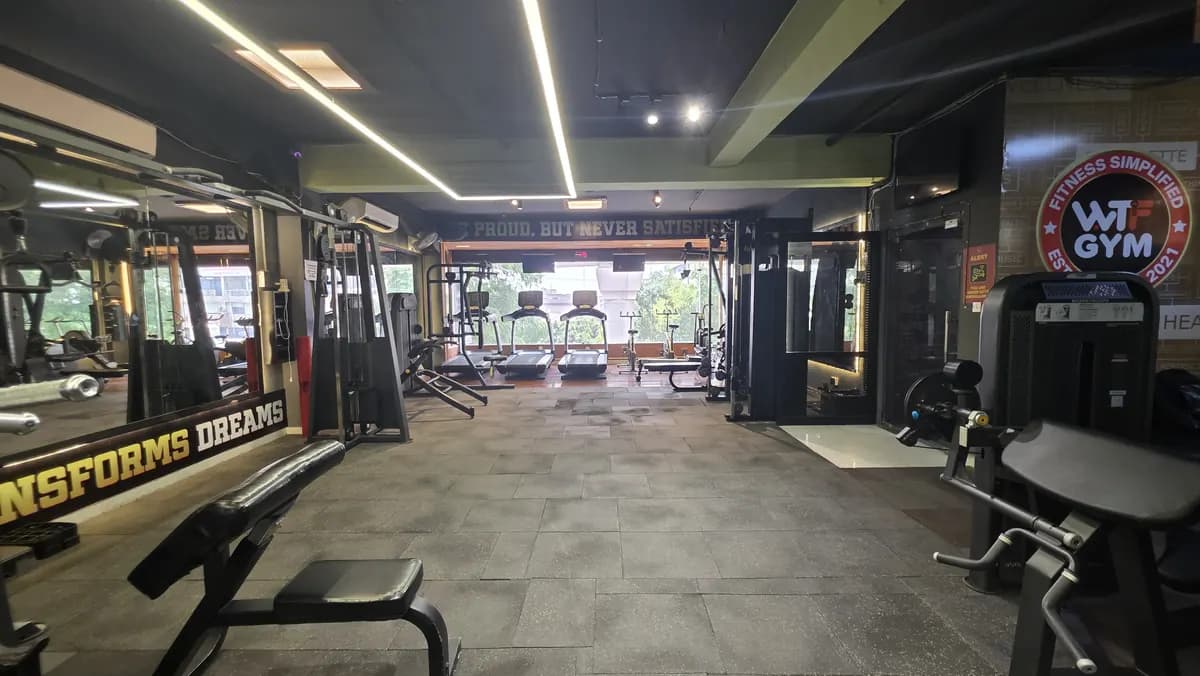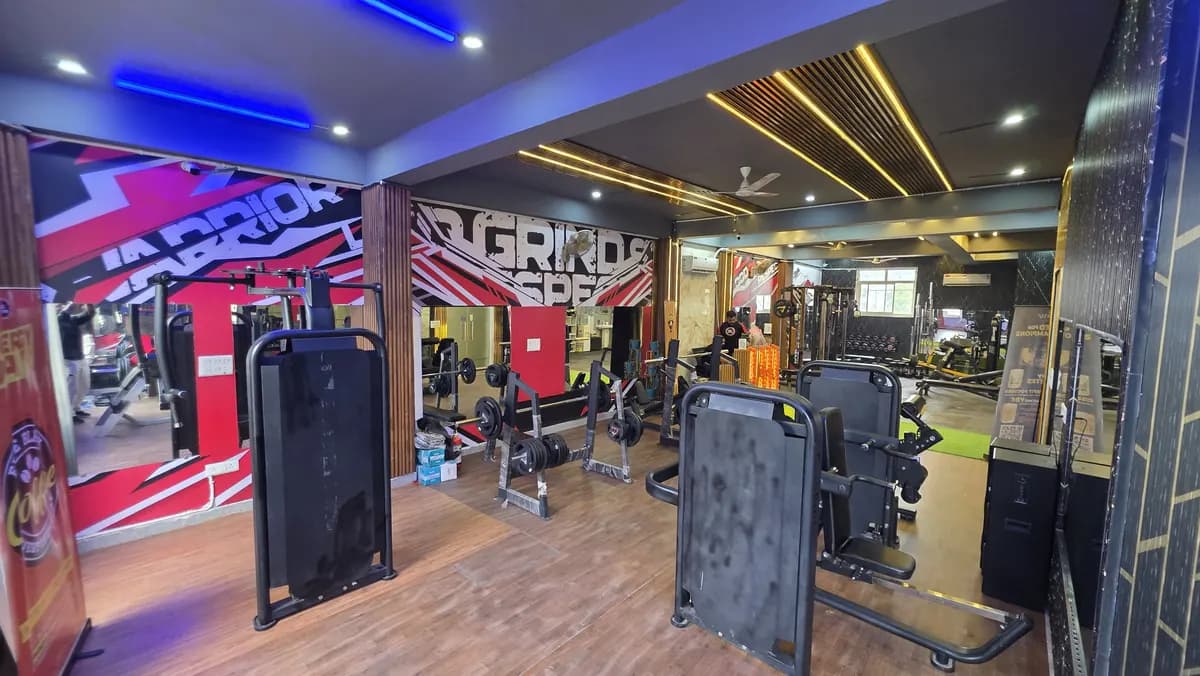
Start before the member walks onto the floor
Gym member onboarding starts the moment payment is confirmed, not when the member asks for help on the floor. If your team treats onboarding as a casual welcome, the member gets a casual experience. If your team treats it as an SOP, the member gets clarity, confidence, and fewer reasons to disappear.
The owner should define one clear path from payment to first workout. The front desk should know what to say. The trainer should know what to ask. The manager should know what to check. If any of this is left to mood, the member experience changes by shift.
Create a joining file for every new member. It can be inside your gym management system, a CRM, or a structured sheet. The format matters less than the discipline. If you are still building your operations base, use this gym SOPs checklist to connect onboarding with front desk, floor, and trainer routines.
The joining file should make the next action obvious. Do not collect random details that nobody uses. Collect what helps the team serve the member and follow up when attendance drops.
- Member name, phone, plan, joining date, and expiry date.
- Preferred training time and any timing restrictions.
- Primary goal in the member’s own words.
- Health notes shared by the member, with a clear reminder to consult a qualified professional where needed.
- Trainer assigned for floor guidance.
- First workout status: pending, completed, or rescheduled.
- Follow-up status: welcome message sent, orientation done, check-in done, review done.
- Renewal reminder date and owner of that reminder.
The welcome script: say less, cover more
A good welcome is not a speech. It is a short handover that tells the member what happens next. Many front desks either oversell again after the sale or simply say, “Trainer se mil lo.” Dono weak hain. The member has already paid. Now they need direction.
Give the front desk a script. Keep it human, but do not make it optional. The script should confirm payment, explain the next step, introduce the trainer, and tell the member how to ask for help. It should also make the gym feel organised without sounding stiff.
Copy this welcome script and adapt it to your gym tone:
- Hi [Name], welcome to [Gym]. Your membership is active from [Date].
- Your first step is a gym orientation so you know the floor, basic rules, and where to begin.
- [Trainer Name] will meet you today and note your goal, timing, and starting level.
- If you feel unsure about any machine or exercise, please ask before using it. We want you to train safely and comfortably.
- You will also receive our member rules and support number on WhatsApp.
- We will check in after your first workout to make sure the start is smooth.
Run a proper gym orientation, not a random tour
Gym orientation should reduce anxiety. A new member may not remember every machine name, but they should leave knowing where to start, who will help, and what behaviour is expected inside the gym. Orientation is also where you prevent avoidable complaints later.
Do not make orientation only about showing equipment. Include rules, hygiene expectations, peak-hour etiquette, trainer support boundaries, and how to report a problem. If the member has bought general membership, explain what is included. If personal training is separate, explain that clearly without pressure.
Your trainer should ask simple questions before giving the first routine. What is the goal? What has the member done earlier? What movements feel uncomfortable? What timing can the member actually maintain? For medical, injury, or nutrition matters, keep the gym team within scope and ask the member to confirm with a qualified professional where needed.
The orientation should end with a starting plan, even if basic. A member who leaves with “come tomorrow” may not come. A member who leaves with “start here, do this, ask this person” is easier to retain.
Use this orientation checklist on the floor:
- Welcome the member by name and introduce the assigned trainer.
- Show entry, changing area, water point, washroom, storage policy, and help desk.
- Explain warm-up area, cardio zone, strength area, stretching zone, and any restricted-use equipment.
- Explain peak-hour sharing etiquette: no long equipment blocking, return weights, and ask before working in.
- Explain hygiene rules: towel use, wiping sweat, clean shoes if that is your gym rule, and reporting unclean areas.
- Ask the member’s goal and comfort level before suggesting the starting workout.
- Record any limitation the member mentions without diagnosing it.
- Give a simple first workout and mark orientation as complete in the member file.
Check attendance before motivation drops
The first week is where the member either builds comfort or starts avoiding the gym. Do not wait for expiry to discover that the member stopped coming. Early absence is a service problem before it becomes a renewal problem.
Set a front desk habit: every new member should be checked for attendance after joining. If the member has not started, call. If the member came once and vanished, message and then call if needed. The tone should be helpful, not scolding.
If you use a gym management system, your check-in record should connect to follow-up tasks. If your software and staff process are not aligned, read this guide on a gym management system and fix the handover between check-in, CRM, and staff action.
Here are copy-ready follow-up messages:
- Welcome follow-up: Hi [Name], hope your start at [Gym] felt comfortable. If you need help with any machine or your starting routine, message us here and we will guide you.
- No-start message: Hi [Name], your membership is active and we noticed your first workout is still pending. Would you like us to schedule your gym orientation at your preferred time?
- After-first-workout message: Hi [Name], good to see you start at [Gym]. Was anything confusing on the floor today? Reply here and we will sort it before your next session.
- Trainer note message: Hi [Name], [Trainer Name] has noted your goal as [Goal]. Please follow the starting routine shared and ask before changing exercises.
- Owner escalation message: Hi [Name], this is from [Gym]. We noticed you have not settled into a routine yet. Tell us what is blocking you: timing, workout clarity, crowding, or anything else. We will help.
Make the trainer responsible for the new member, not just the workout
Trainer ownership is the missing piece in many gyms. The trainer gives a workout, then the member becomes nobody’s responsibility. When that happens, the member judges the whole gym by small moments: nobody corrected form, nobody remembered the goal, nobody checked when they stopped coming.
Assign one trainer as the onboarding owner for each new member. This does not mean the trainer must babysit. It means the trainer has to record the goal, guide the first routine, notice confusion, and update the front desk if the member needs a call.
The owner should review trainer behaviour through tasks, not speeches. If a trainer says, “Member nahi aaya,” ask what follow-up was done. If the front desk says, “Trainer ne bataya nahi,” fix the handover. Member retention is a team sport, but accountability needs a name.
If trainer quality is inconsistent, connect onboarding with staff training. This gym staff training program can help you turn member handling into a repeatable routine instead of a personality-based service.
Give trainers this simple onboarding job card:
- Meet the member during orientation or first workout.
- Ask the goal and preferred training time.
- Explain how to ask for help without hesitation.
- Give a starting routine matched to the member’s comfort level.
- Watch for unsafe machine use and intervene politely.
- Note if the member looks lost, avoids certain areas, or waits too long for help.
- Update the member file after the first workout.
- Tell the front desk if the member needs a call, reschedule, or manager support.
Use the month-end review to prepare renewal early
A first-month review should not feel like a sales trap. It should feel like a service checkpoint. The member should hear what has gone well, what needs consistency, and what support is available next. When renewal arrives later, this earlier review makes the conversation less awkward.
Do not ask vague questions like “All good?” Members often say yes even when they are not settled. Ask specific questions: Are you able to come at your chosen time? Is the workout clear? Do you feel comfortable asking trainers? Is crowding a problem? Do you know what to do when your trainer is busy?
Record the answers. If the issue is operational, fix it. If the issue is motivation, assign a check-in. If the member is interested in personal training or another add-on, explain it clearly and let the member decide. Do not hide prices or create pressure at the review desk.
For renewal planning, connect this review to your renewal workflow. This guide on how to increase gym renewals can help you build reminders, reasons to stay, and cleaner follow-ups before the final expiry call.
Use this month-end review script:
- Hi [Name], you have completed your first month at [Gym], so we want to review your start.
- Is your current workout timing working for you?
- Do you feel clear about what to do when you enter the gym?
- Has any machine, exercise, trainer handover, or crowding issue made you uncomfortable?
- Do you want us to adjust your starting routine based on your current comfort?
- Your goal is recorded as [Goal]. Do you want to keep this as the focus or update it?
- We will note your feedback and set the next follow-up so your routine does not break.
- When your renewal window comes closer, we will remind you in advance and share the available options.
Automate reminders, but keep the human touch
Automation is useful only when the team still owns the outcome. A WhatsApp message cannot replace a trainer who ignores a new member on the floor. A CRM reminder cannot repair a rude front desk conversation. Use automation to avoid misses, then use people to solve the actual issue.
Create templates for welcome, orientation booking, absence, review, feedback, and renewal reminder. Keep them short. Put the member’s name, goal, and next action wherever possible. A personal line beats a long generic paragraph.
If you want to tighten message timing and reduce missed touchpoints, read this guide on gym communication automation. For daily operating discipline, link the same reminders to your opening, closing, and floor tasks through gym management.
WTF Go can support member records and follow-up work inside the operating flow for gyms using WTF Powered, but the rule remains the same: software should make staff action visible.
Use this owner checklist every morning:
- Check new members who joined recently and confirm orientation status.
- Check members whose first workout is still pending.
- Check members who started but have not built a visible routine.
- Ask trainers for notes on new members who look confused or irregular.
- Review unresolved complaints from new members before they become public anger.
- Send only useful reminders; do not spam members with the same line.
- Update the member file after every real conversation.
- If you want another operator to review your current gym member onboarding flow, book the free gym audit; the team calls the same day.